TEL:+212663263902
Gomoroccovacation@gmail.com
Morocco is an excellent destination for first-time travelers looking for a mix of culture, history, landscapes, and adventure. Within one trip, you can explore vibrant imperial cities, hike in the Atlas Mountains, ride camels across the Sahara Desert, relax on Atlantic beaches, and discover traditional villages. The country’s diverse attractions make it suitable for couples, families, solo travelers, and small groups.
Spring (March to May) and autumn (September to November) generally offer the most pleasant weather throughout Morocco. Summer is ideal for coastal destinations but can be very hot in inland cities and the Sahara Desert. Winter is perfect for desert tours, although nights can become quite cold.
A trip of 8 to 12 days allows enough time to experience Morocco’s highlights, including Marrakech, Fes, Chefchaouen, the Sahara Desert, and the Atlas Mountains. Shorter trips of 3 to 5 days are ideal for focused desert excursions, while two weeks or longer provides a more relaxed pace.
Morocco is considered one of the safest travel destinations in North Africa. Millions of visitors travel throughout the country each year without incident. As with any destination, exercise normal precautions by keeping valuables secure, avoiding isolated areas at night, and following local guidance.
Visa requirements depend on your nationality. Citizens of many countries, including the United States, Canada, the United Kingdom, Australia, New Zealand, and most European nations, can enter Morocco without a visa for stays of up to 90 days. Always verify the latest entry requirements before traveling.
Morocco has several international airports. Marrakech is ideal for southern Morocco and desert tours, Casablanca serves as the country’s main international gateway, Fes is convenient for northern itineraries, and Tangier is perfect for travelers exploring northern Morocco.
Marrakech is usually the preferred starting point because it offers direct access to the Atlas Mountains and Sahara Desert. Casablanca is best for international flight connections and longer itineraries that explore multiple regions.
Yes. Morocco is an excellent family destination with activities suitable for all ages, including camel rides, desert camping, cooking classes, coastal towns, historical monuments, gardens, and wildlife experiences. Private tours provide the greatest flexibility for families traveling with children.
Morocco offers an unforgettable honeymoon experience with luxury riads, private desert camps, spa treatments, fine dining, mountain retreats, and romantic sunsets over the Sahara. Couples can enjoy a combination of relaxation, culture, and adventure.
Most private Morocco tours can be fully tailored to your travel dates, preferred destinations, accommodation style, activities, and pace. Custom itineraries allow travelers to create a journey that matches their interests and budget.
Booking two to six months before your departure is recommended, especially if you plan to travel during spring or autumn. Luxury accommodations and premium desert camps often sell out well in advance during peak travel seasons.
Morocco offers excellent value for travelers. Budget visitors can enjoy affordable guesthouses and local restaurants, while luxury travelers can experience high-end riads, boutique hotels, and exclusive desert camps at prices that are often lower than comparable destinations in Europe.
Arabic and Amazigh (Berber) are Morocco’s official languages. French is widely used in business and tourism, while English is increasingly spoken in hotels, restaurants, and tourist areas, particularly in major cities.
Independent travel is possible and popular. However, many visitors choose guided tours to simplify transportation, reduce planning, gain local insights, and reach remote destinations such as the Sahara Desert more comfortably.
Private tours provide greater flexibility, personalized service, customized itineraries, and the freedom to travel at your own pace. Group tours are generally more affordable and offer opportunities to meet other travelers.
Morocco is a rewarding destination for solo travelers. Joining guided tours, choosing reputable accommodations, and following common travel safety practices can make the experience comfortable and enjoyable.
Children often enjoy camel rides, exploring ancient kasbahs, visiting colorful markets, and spending a night under the stars in the Sahara Desert. Families should select itineraries with reasonable driving times and child-friendly accommodations.
Yes. Every season offers unique experiences. Spring and autumn are ideal for sightseeing, summer is excellent for the Atlantic coast, winter is perfect for the desert, and the Atlas Mountains offer opportunities for hiking and seasonal snow activities.
Most tours involve moderate walking through historic medinas, markets, monuments, and scenic viewpoints. Travelers with limited mobility can often request customized itineraries with reduced walking distances.
Yes. Many travelers combine Morocco with Spain or Portugal using short flights or ferry services across the Strait of Gibraltar. Popular combinations include Seville, Malaga, Granada, Tangier, and Marrakech.
Comprehensive travel insurance is highly recommended. It can provide coverage for trip cancellations, medical emergencies, lost luggage, and unexpected travel disruptions.
Wi-Fi is widely available in hotels, riads, cafés, and many restaurants. Mobile coverage is generally reliable across most of the country, although remote desert areas may have limited service.
Most unlocked smartphones work in Morocco with a local SIM card or an international roaming plan. Purchasing a local SIM card is often the most cost-effective option for travelers staying several days or longer.
Popular experiences such as luxury desert camps, hot air balloon rides, cooking classes, and guided city tours are best reserved in advance, especially during the busiest travel months.
A guided tour saves time, simplifies logistics, provides knowledgeable local guides, and allows you to experience destinations that can be difficult to organize independently. It also offers greater peace of mind, particularly for first-time visitors.
Morocco offers an extraordinary blend of African, Arab, Amazigh, and European influences. Travelers can experience bustling ancient medinas, peaceful mountain villages, vast Sahara dunes, Atlantic beaches, historic kasbahs, and vibrant local traditions—all within a relatively short journey.
An itinerary of 8 to 10 days covering Marrakech, the High Atlas Mountains, Ait Ben Haddou, the Dades Valley, Merzouga Desert, Fes, and Chefchaouen provides an excellent introduction to Morocco’s diverse landscapes and cultural heritage.
The cost depends on the duration, accommodation level, group size, and travel season. Budget tours are generally more affordable, while private and luxury tours include upgraded hotels, premium desert camps, private transportation, and personalized services.
Yes. Tours operate year-round. Spring and autumn are the busiest seasons due to comfortable temperatures, while winter is popular for desert trips and summer attracts visitors to Morocco’s coastal destinations.
Most travelers comfortably visit four to six destinations during a 10-day itinerary. Attempting to visit too many places may result in long travel days and less time to enjoy each destination.
Both cities offer unique experiences. Marrakech is known for its lively atmosphere, gardens, and luxury accommodations, while Fes is famous for its medieval medina, traditional craftsmanship, and historical significance. Many visitors choose to experience both.
A minimum of three days is recommended from Marrakech or Fes to fully enjoy the journey, visit scenic stops along the route, experience a camel trek, and spend a night in a desert camp.
Yes. Many of Morocco’s most spectacular attractions are located between major cities. Traveling by road allows you to discover mountain passes, palm-filled valleys, traditional villages, dramatic gorges, and breathtaking desert landscapes.
Some travel days include several hours of driving because Morocco’s attractions are spread across different regions. However, itineraries typically include scenic stops, cultural visits, photo opportunities, and meal breaks to make the journey enjoyable.
Yes. English is widely spoken in tourist areas, hotels, restaurants, and by many guides. Learning a few basic Arabic or French phrases is appreciated but not essential.
Morocco appeals to travelers who enjoy cultural experiences, history, photography, architecture, nature, local cuisine, and adventure. It is equally suitable for luxury travelers, backpackers, families, and couples.
Morocco has a modern rail network connecting cities such as Casablanca, Rabat, Tangier, Meknes, and Fes. However, destinations like Merzouga, the Dades Valley, and many Atlas Mountain villages require travel by road.
A balanced itinerary includes time for sightseeing, relaxation, and cultural experiences without rushing between destinations. Spending at least two nights in key locations provides a more enjoyable travel experience.
A private driver is often the most comfortable option for visitors unfamiliar with Morocco’s roads and driving conditions. Renting a car offers greater independence but requires confidence in navigating mountain roads and busy city traffic.
Yes. Many tours are designed with comfort in mind and can be customized to reduce walking, include shorter driving days, and provide accommodations with modern amenities.
Absolutely. A two-week itinerary can include Marrakech, the Atlas Mountains, the Sahara Desert, Fes, Chefchaouen, and the Atlantic coast, offering a well-rounded experience of Morocco’s diverse landscapes.
Popular destinations such as Marrakech and Chefchaouen attract many visitors during peak seasons. However, Morocco also offers numerous peaceful regions where travelers can enjoy authentic experiences away from the crowds.
Morocco is one of the world’s most photogenic destinations. From colorful markets and blue-painted streets to dramatic mountain scenery and golden desert dunes, there are endless opportunities for stunning travel photography.
Some of Morocco’s best-known attractions include the Sahara Desert, Jemaa el-Fnaa Square, Chefchaouen, Ait Ben Haddou, the Hassan II Mosque, the Fes Medina, Todra Gorge, the Atlas Mountains, and Essaouira.
Yes. Morocco offers accommodation, transportation, and dining options for a wide range of budgets. Local guesthouses, public transportation, and traditional restaurants make affordable travel possible without sacrificing memorable experiences.
Luxury tours offer greater comfort, personalized service, premium accommodations, private transportation, and exclusive experiences. They are an excellent choice for travelers seeking convenience and a higher level of comfort.
It is advisable to arrive at least one day before your scheduled tour departure. This provides time to recover from travel, adjust to the local time zone, and avoid missing the start of your itinerary due to flight delays.
Carry a valid passport, travel insurance information, copies of important travel documents, hotel confirmations, flight details, and any required visas or permits. Keeping digital copies is also recommended.
You may exchange a small amount before departure if available, but many travelers prefer exchanging money upon arrival or using ATMs in Morocco for competitive exchange rates. Carrying some cash is useful for small purchases and tips.
Morocco combines centuries of history, diverse landscapes, welcoming hospitality, vibrant traditions, exceptional cuisine, and unforgettable adventures. Whether exploring ancient medinas, trekking through mountain valleys, relaxing by the coast, or camping beneath the stars in the Sahara, visitors enjoy an experience unlike any other.
Visa requirements depend on your nationality. Citizens of many countries, including the United States, Canada, the United Kingdom, Australia, New Zealand, and most European countries, can visit Morocco for up to 90 days without a visa. Travelers from other countries may need to obtain a visa before departure. Always check the latest requirements with the Moroccan embassy or consulate in your country before booking your trip.
Many visa-exempt travelers can stay in Morocco for up to 90 days. The permitted length of stay may vary depending on your nationality and the conditions of your entry. If you wish to remain longer, you should contact the appropriate Moroccan authorities before your authorized stay expires.
In some cases, it is possible to apply for an extension of your stay. Approval is not automatic, and applications generally require supporting documents and must be submitted before your current permission to stay expires. If you plan to spend more than 90 days in Morocco, it is best to seek advice well in advance.
Your passport should be valid for the duration of your stay. However, many airlines recommend having at least six months of validity remaining from your arrival date to avoid travel complications. It is also advisable to ensure your passport has blank pages for entry and exit stamps.
Immigration authorities may ask for proof of onward or return travel. While not every traveler is asked, carrying a return ticket or evidence of your travel plans can help make the arrival process smoother.
There are no mandatory vaccinations for most travelers arriving from Europe, North America, or many other regions. However, routine vaccinations should be up to date. Depending on your travel history and personal circumstances, your healthcare provider may recommend additional vaccinations before your trip.
Travel insurance is not always required for entry, but it is strongly recommended. A comprehensive policy can cover unexpected medical expenses, trip cancellations, delayed flights, lost baggage, and other travel disruptions, providing valuable peace of mind.
The official currency is the Moroccan Dirham (MAD). Prices throughout the country are typically quoted in dirhams, and carrying local currency is useful for markets, taxis, cafés, and small businesses.
Some hotels and tourist-oriented businesses may accept major foreign currencies, but most everyday purchases must be paid in Moroccan dirhams. Exchanging money or withdrawing local currency after arrival is usually the most practical option.
Credit and debit cards are commonly accepted in larger hotels, modern restaurants, shopping centers, and many tourist businesses. However, smaller shops, local markets, cafés, and rural establishments often accept cash only.
Yes. Even if you plan to use a credit card for larger expenses, carrying enough cash for smaller purchases, tips, taxis, and local markets is recommended, especially when traveling outside major cities.
ATMs are widely available in cities, airports, shopping areas, and many tourist destinations. Before traveling to remote villages or desert regions, it is advisable to withdraw sufficient cash, as ATM access may be limited.
Visa and Mastercard are generally accepted at most ATMs and payment terminals. Some establishments also accept American Express, although availability is less common. It is a good idea to notify your bank of your travel plans before departure.
Yes. International airports usually have currency exchange counters and ATMs. Airport exchange services are convenient for obtaining a small amount of local currency immediately after arrival, while exchange rates in city centers may sometimes be more favorable.
Many travelers find that withdrawing cash from an ATM provides competitive exchange rates. However, fees vary depending on your bank. Comparing your bank’s foreign transaction fees with local exchange rates can help you choose the most economical option.
Daily expenses depend on your travel style. Budget travelers typically spend less by using guesthouses and local restaurants, while luxury travelers may spend significantly more on premium accommodations, fine dining, and private experiences. Planning a daily budget that matches your itinerary will help you manage expenses comfortably.
Morocco is generally considered an affordable destination compared with many European countries. Visitors can choose from budget-friendly hostels and traditional guesthouses to luxury riads and five-star resorts, making it easy to find options for a wide range of budgets.
Some restaurants include a service charge in the final bill, while others do not. If service is not included and you are satisfied with the experience, leaving a modest tip is a thoughtful way to show appreciation.
Tipping is customary in many situations, including restaurants, hotels, guided tours, and for drivers. While tips are generally optional, they are appreciated as recognition for good service.
Yes. Bargaining is a common part of shopping in traditional souks and artisan markets. Negotiations should be conducted politely and respectfully, and both buyers and sellers generally expect some discussion before agreeing on a final price.
Many travelers prefer bottled or filtered water, particularly during the first few days of their trip. Hotels and restaurants usually provide bottled water, and reusable bottles with built-in filters can be a practical alternative.
Most personal medications can be brought into Morocco if they are for your own use. It is advisable to keep medicines in their original packaging and carry copies of prescriptions for prescription medications, particularly if they contain controlled substances.
Morocco uses Type C and Type E electrical outlets with a standard voltage of 220V. Travelers from countries with different plug types should bring a compatible travel adapter and check whether their electronic devices support 220V power.
Purchasing a local SIM card is often the most affordable way to access mobile data during your trip. SIM cards are available at airports, mobile phone shops, and many convenience stores, and they usually include prepaid data packages suitable for tourists.
Mobile coverage is generally reliable in cities, towns, and along major roads. Remote mountain regions and parts of the Sahara Desert may have weaker or intermittent signals, so downloading maps and important travel information in advance is recommended.
Contactless payments are becoming more common in Morocco, particularly in modern hotels, supermarkets, shopping malls, and larger restaurants. However, many smaller businesses, local cafés, taxis, and traditional markets still prefer cash. It’s best to carry both a payment card and some Moroccan dirhams.
No. It’s usually better to exchange only a small amount before departure or upon arrival to cover immediate expenses. ATMs and exchange offices are widely available in major cities and often provide competitive exchange rates.
Yes. Most international Visa and Mastercard debit or credit cards work at Moroccan ATMs. Before traveling, check with your bank about international withdrawal fees, daily limits, and any travel notifications required for your account.
Currency exchange offices are available at airports, banks, major tourist areas, shopping centers, and city centers. Always keep your exchange receipt, as it may be useful if you wish to convert unused dirhams before leaving Morocco.
Many tour operators accept payments in euros, US dollars, or other major currencies when booking in advance. Once you arrive in Morocco, daily expenses such as meals, taxis, entrance fees, and shopping are generally paid in Moroccan dirhams.
Yes, provided you take normal travel precautions. Keep larger amounts of cash in your hotel safe, carry only what you need for the day, and avoid displaying large sums of money in public places.
Yes. Domestic airlines have their own baggage allowances for checked luggage and carry-on bags. Always check your airline’s baggage policy before your flight to avoid unexpected fees.
For international departures, arriving at least three hours before your flight is recommended. For domestic flights, arriving two hours before departure is generally sufficient.
Drone regulations in Morocco are very strict. Importing or using drones without the necessary authorization may result in confiscation upon arrival. If you plan to travel with a drone, carefully research the current regulations before your trip.
Yes. Cameras and photography equipment for personal use are generally allowed. If you are traveling with extensive professional filming equipment or plan to film commercially, additional permits may be required.
Photography is welcome at most tourist attractions and scenic locations. However, always ask permission before photographing local people, avoid photographing military sites or government buildings, and respect any posted restrictions.
Visitors from many countries can drive in Morocco using their valid national driving license for short stays. Some nationalities may benefit from carrying an International Driving Permit, especially if renting a vehicle.
Yes. Rental cars are available at major airports and in most large cities. Booking in advance often provides better vehicle selection and pricing, particularly during busy travel seasons.
Driving is straightforward on modern highways and main roads. However, traffic can be busy in larger cities, and mountain roads require extra care. Visitors unfamiliar with local driving conditions often prefer hiring a private driver.
Yes. Morocco has an extensive intercity bus network connecting major cities and many smaller towns. Modern coach services offer comfortable and affordable transportation throughout the country.
Morocco’s high-speed rail service provides a fast and comfortable way to travel between Tangier, Kenitra, Rabat, and Casablanca. It is an excellent option for travelers exploring northern Morocco.
Licensed taxis are generally safe and widely available. In cities, it’s advisable to use official taxis and confirm that the meter is running when applicable, or agree on the fare before starting the journey if no meter is used.
Report the loss to the local police as soon as possible and contact your country’s embassy or consulate for emergency travel documents. Keeping photocopies or digital copies of your passport can make the replacement process easier.
Immediately contact your bank to block the card and request a replacement if necessary. Carrying a second payment card and some emergency cash can help you continue your trip without major disruption.
Most hotels, riads, cafés, and restaurants provide Wi-Fi, and mobile data coverage is good in urban areas. Internet speeds may be slower in remote mountain villages and desert regions, where connectivity can be limited.
Yes. Offline maps can be extremely useful when exploring medinas, mountain roads, or remote areas where mobile coverage is limited. They also help reduce mobile data usage while traveling.
Traveling with pets is possible but requires compliance with Morocco’s import regulations, including vaccination records and health certificates. Contact your airline and review the latest entry requirements well before departure.
Passengers may be subject to routine customs inspections upon arrival. Following customs regulations, declaring restricted items when required, and cooperating with officials helps ensure a smooth entry process.
Personal belongings and reasonable quantities of gifts are generally permitted. Certain items may be subject to customs rules or duty limits, so it’s advisable to check current regulations if you’re carrying valuable goods.
Pack a valid passport, travel insurance details, comfortable walking shoes, lightweight clothing, layers for cooler evenings, sunglasses, sunscreen, a reusable water bottle, a universal travel adapter, any necessary medications, and a secure day bag for daily excursions. Preparing these essentials in advance will help ensure a comfortable and enjoyable journey.
Morocco Sahara Desert Tours FAQS
101. Is the Sahara Desert worth visiting?
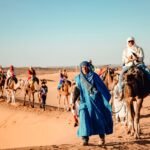
Absolutely. A visit to the Sahara Desert is one of Morocco’s most unforgettable experiences. Watching the sun rise over towering sand dunes, riding a camel across golden landscapes, spending the night in a desert camp, and enjoying traditional music beneath a sky full of stars create memories that last a lifetime. For many travelers, the Sahara is the highlight of their Moroccan adventure.
102. Which desert should I visit in Morocco?
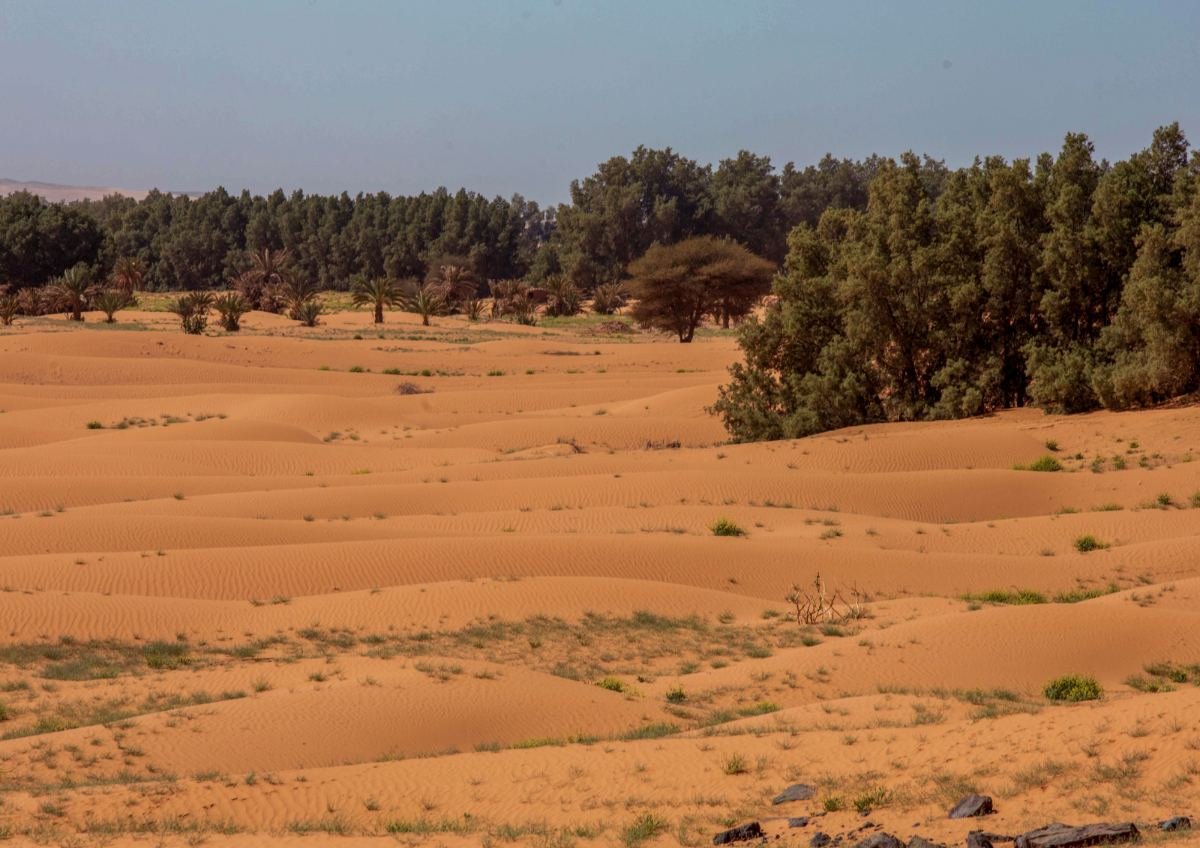
Morocco offers several desert regions, but Erg Chebbi near Merzouga and Erg Chigaga near M’Hamid are the two most popular. Erg Chebbi is easier to reach and features impressive dunes with a wide selection of camps and activities. Erg Chigaga is more remote and appeals to travelers seeking a quieter and more adventurous desert experience.
103. What is the difference between Merzouga and Zagora?
Merzouga is home to the famous Erg Chebbi dunes, some of the tallest in Morocco, making it ideal for a classic Sahara experience. Zagora has smaller dunes and is closer to Marrakech, making it a convenient option for shorter trips. Travelers looking for dramatic desert scenery usually prefer Merzouga.
104. How many days do I need for a Sahara Desert tour?
A three-day tour is the minimum recommended for visiting the Sahara from Marrakech or Fes. Four or five days allows for a more relaxed journey with additional stops in mountain villages, valleys, and historic kasbahs.
105. Can I visit the Sahara Desert on a two-day trip?
A two-day trip is possible to some desert regions, but it involves long hours of driving and limited time in the dunes. Travelers who want a more complete experience with time to relax and explore should consider a three-day itinerary or longer.
106. What is included in a typical Sahara Desert tour?
Most tours include transportation, accommodation, breakfast and dinner, camel trekking, an overnight stay in a desert camp, and visits to scenic locations along the route. Some tours also include local guides, sandboarding, or cultural experiences in nearby villages.
107. Do I have to ride a camel?
No. Camel trekking is optional on most tours. Many desert camps can be reached by four-wheel-drive vehicle, making them accessible for travelers who prefer not to ride a camel or have mobility concerns.
108. How long is the camel ride?
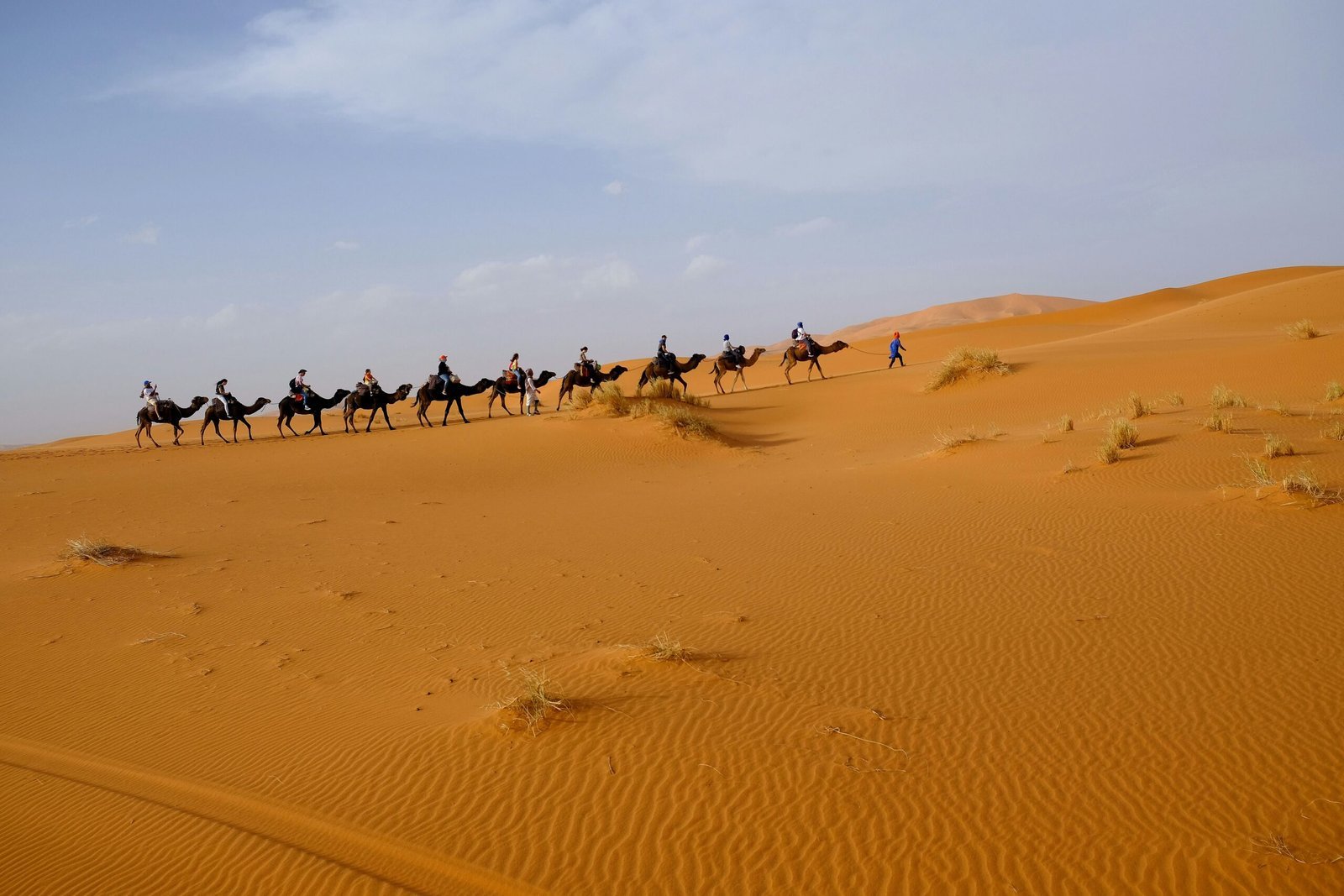
Camel rides generally last between 45 minutes and 90 minutes, depending on the location of the desert camp and the chosen itinerary. Most rides are scheduled around sunset or sunrise to provide cooler temperatures and beautiful views.
109. Is camel riding safe?
Yes. Camel rides are generally safe when led by experienced handlers. The camels are accustomed to carrying visitors, and guides provide instructions on mounting, dismounting, and riding comfortably. Travelers should follow the guide’s advice throughout the experience.
110. What should I wear for a camel trek?
Wear comfortable clothing, long trousers, closed-toe shoes, sunglasses, and a wide-brimmed hat or scarf to protect yourself from the sun and sand. In cooler months, bring a warm jacket for the evening.
111. What should I pack for a desert overnight stay?
Pack light and bring essentials such as comfortable clothing, a warm layer for the evening, sunscreen, sunglasses, toiletries, a flashlight, a power bank, a reusable water bottle, and a camera. A small overnight bag is often more convenient than taking large suitcases into the desert.
112. Does it get cold in the Sahara Desert at night?
Yes. Although daytime temperatures can be very warm, desert nights may become surprisingly cold, especially between November and March. Warm clothing is recommended during the cooler months.
113. Is the Sahara Desert too hot in summer?
Summer temperatures can exceed 40°C (104°F) during the day. Tours still operate, but travelers should stay hydrated, wear lightweight clothing, use sun protection, and avoid unnecessary physical activity during the hottest hours.
114. When is the best time to visit the Sahara Desert?
Spring (March to May) and autumn (September to November) provide the most comfortable weather. Winter offers pleasant daytime temperatures and crisp nights, while summer is suitable for travelers who are comfortable with intense heat.
115. Are luxury desert camps worth it?
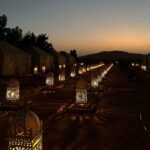
Luxury desert camps offer spacious private tents, comfortable beds, private bathrooms, excellent dining, electricity, and enhanced service. They provide a more comfortable experience while allowing guests to enjoy the beauty and tranquility of the Sahara.
116. What is the difference between a standard camp and a luxury camp?
Standard camps typically provide shared facilities and simple accommodations, while luxury camps include private bathrooms, upgraded furnishings, quality bedding, electricity, and more personalized service. Both offer authentic desert experiences, but luxury camps provide greater comfort.
117. Do desert camps have electricity?
Many luxury camps provide electricity throughout the evening and overnight. Standard camps may have limited electricity supplied by generators or solar power. Availability varies by camp, so it’s a good idea to check before booking.
118. Is there Wi-Fi in the desert?
Some luxury camps offer Wi-Fi in common areas, but internet access is often slower than in cities. Many travelers enjoy disconnecting from technology and appreciating the peaceful atmosphere of the Sahara.
119. Do desert camps have private bathrooms?
Most luxury camps feature private bathrooms with toilets, sinks, and hot showers. Standard camps may have shared bathroom facilities. Travelers should review the accommodation details before making a reservation.
120. Can I charge my phone in the desert?
Most luxury camps provide charging points inside the tents or common areas. In standard camps, charging facilities may be limited. Carrying a fully charged power bank is highly recommended.
121. What meals are served during a desert tour?
Most tours include traditional Moroccan dishes such as tagine, couscous, grilled meats, fresh salads, seasonal vegetables, fruit, and Moroccan pastries. Vegetarian, vegan, and other dietary requirements can usually be accommodated with advance notice.
122. Is drinking water provided during the tour?
Most tour operators provide bottled water or make it available for purchase during the journey. Carrying your own reusable water bottle is also a practical way to stay hydrated throughout the trip.
123. Can children join a Sahara Desert tour?
Yes. Families with children regularly visit the Sahara. Camel rides, sandboarding, and spending a night under the stars are memorable experiences for younger travelers. Families with very young children may prefer a private tour for greater flexibility.
124. Are Sahara Desert tours suitable for older travelers?
Yes. Many older travelers enjoy visiting the Sahara, particularly on private tours that allow for a comfortable pace. Those who prefer not to ride camels can usually reach the camp by four-wheel-drive vehicle.
125. Is the Sahara Desert safe for tourists?
Yes. Organized desert tours are considered safe and are led by experienced local drivers and guides who are familiar with the terrain and weather conditions. Following your guide’s instructions, staying hydrated, and preparing for temperature changes will help ensure a comfortable and enjoyable experience.
126. What is the difference between Erg Chebbi and Erg Chigaga?
Erg Chebbi and Erg Chigaga are Morocco’s two largest dune systems, but they offer different experiences. Erg Chebbi, near Merzouga, is easier to reach, has higher dunes, and offers a wide selection of luxury camps and activities. Erg Chigaga is farther from major cities and requires off-road driving, making it ideal for travelers seeking a more remote and less crowded desert adventure.
127. Which desert is better for first-time visitors?
For most first-time visitors, Erg Chebbi is the best choice. It combines spectacular dunes, comfortable camps, excellent road access, and a variety of activities, making it suitable for couples, families, and solo travelers.
128. Can I go sandboarding in the Sahara Desert?
Yes. Sandboarding is one of the most popular activities in the Sahara. Many desert camps provide boards for guests to use on nearby dunes, and beginners can easily learn with a little practice.
129. Is sandboarding included in desert tours?
Some tours include sandboarding equipment at no additional cost, while others offer it as an optional activity. It’s a good idea to confirm what is included before booking your tour.
130. Can I ride a quad bike in the Sahara?
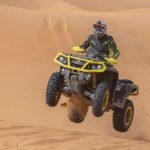
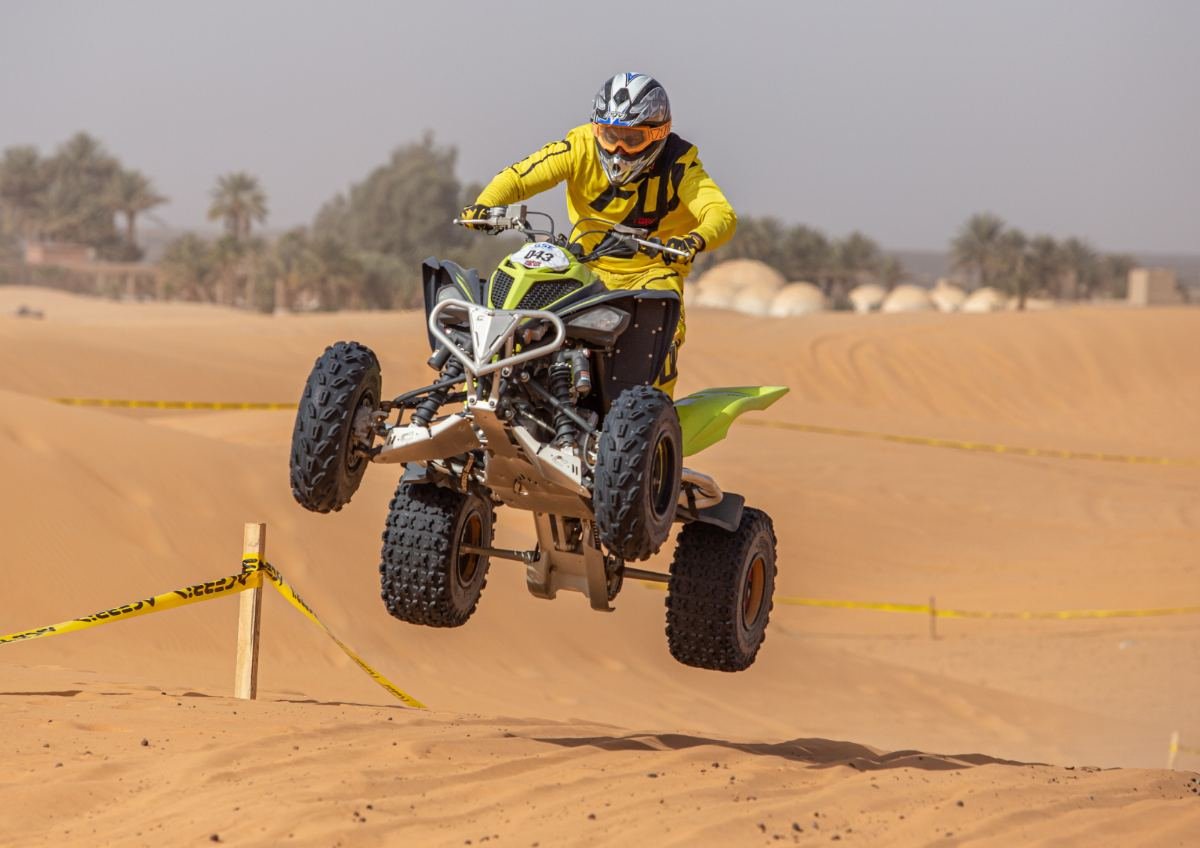
Yes. Quad biking is available in many desert areas, especially around Merzouga. Guided excursions range from short rides to longer adventures across the dunes and surrounding desert landscapes.
131. Are buggy tours available in the desert?
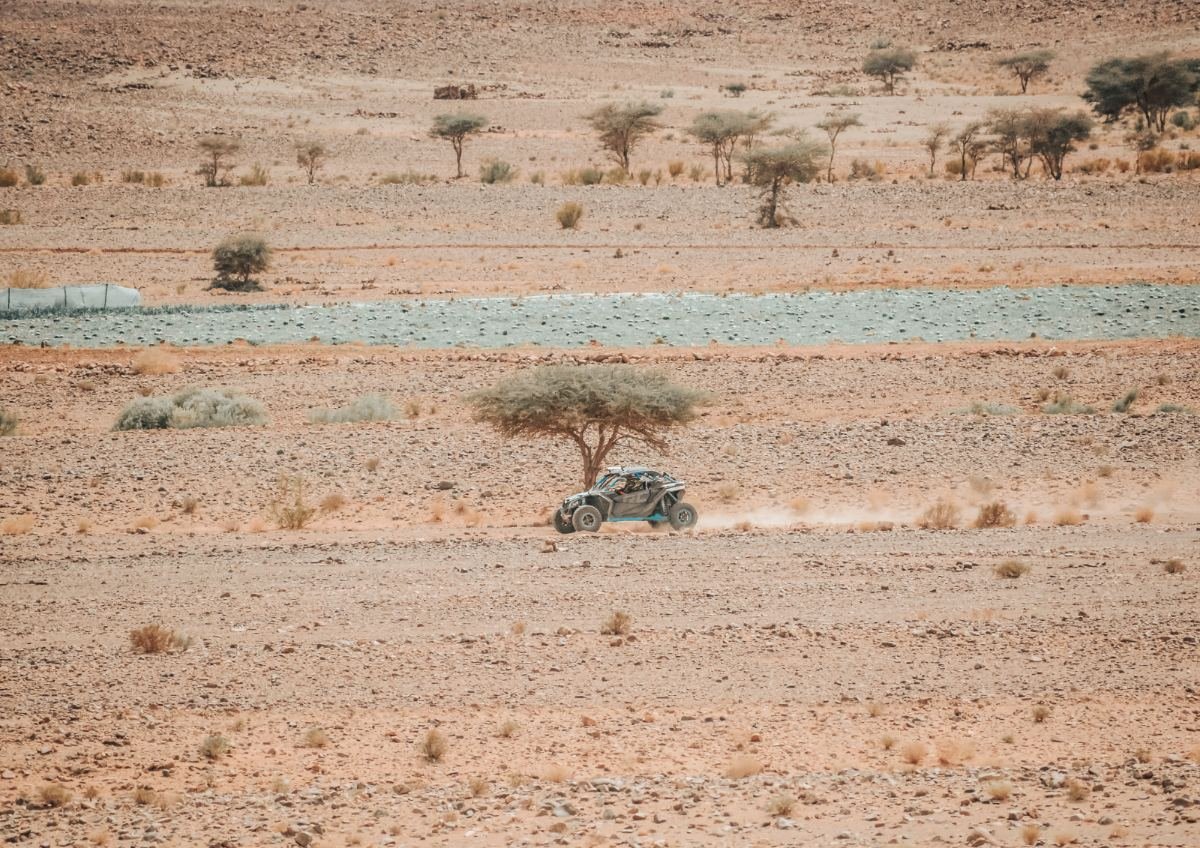
Yes. Dune buggies are available through specialized operators in certain areas of the Sahara. They provide an exciting way to explore the desert while following designated routes with experienced guides.
132. Can I explore the Sahara in a 4×4 vehicle?
Absolutely. Many tours include four-wheel-drive excursions that allow visitors to explore remote dunes, fossil sites, desert villages, and scenic viewpoints that are inaccessible by regular vehicles.
133. Can I visit nomadic families during a desert tour?
Some itineraries include visits to nomadic families living in the Sahara. These visits offer an opportunity to learn about traditional desert lifestyles, hospitality, and customs while respecting local communities.
134. Are there villages near the Sahara Desert?
Yes. Villages such as Merzouga, Hassilabied, Khamlia, M’Hamid, and Rissani are popular stops during desert tours. Each offers unique cultural experiences, local markets, music, and traditional architecture.
135. What is Khamlia Village famous for?
Khamlia is known for its rich musical heritage, particularly Gnawa music. Visitors can enjoy live performances, learn about the community’s history, and experience a unique cultural tradition that has been preserved for generations.
136. Can I see wildlife in the Sahara Desert?
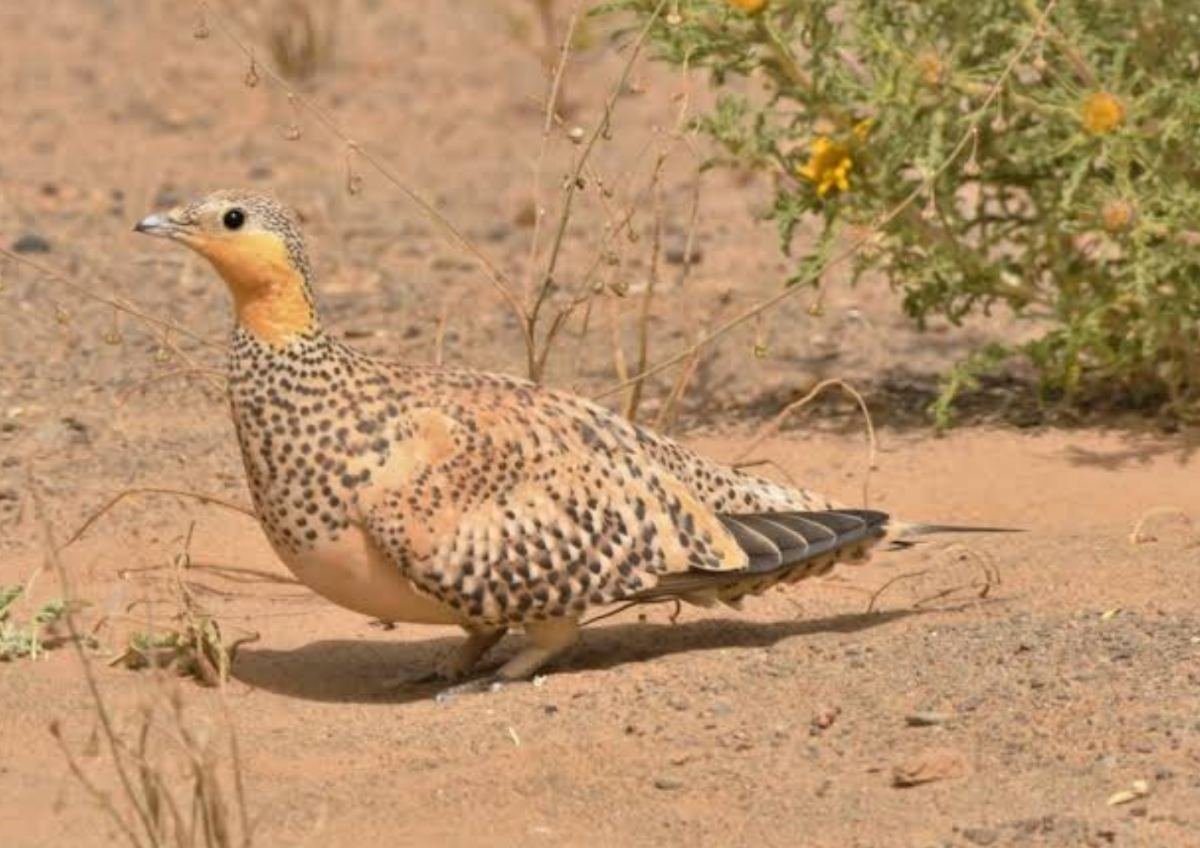
Although the Sahara may appear empty, it supports a surprising variety of wildlife. Depending on the season and location, you may see desert foxes, lizards, beetles, birds, and other animals that have adapted to the harsh desert environment.
137. Are there snakes and scorpions in the Sahara?
Some species of snakes and scorpions live in the Sahara, but encounters are uncommon during organized tours. Camps are carefully selected, and guides know how to minimize risks. Visitors should avoid walking barefoot at night and follow the advice of their guides.
138. Can I watch the sunrise in the Sahara?
Yes. Watching the sunrise from the top of a sand dune is one of the highlights of a desert trip. The changing colors of the landscape and the peaceful atmosphere create an unforgettable experience.
139. Is sunset better than sunrise in the Sahara?
Both offer unique experiences. Sunset features warm golden light and dramatic shadows across the dunes, while sunrise provides cooler temperatures, soft morning colors, and a quieter atmosphere. Many travelers recommend experiencing both if possible.
140. Is the Sahara good for stargazing?
Yes. With minimal light pollution and wide-open skies, the Sahara is one of the best places in Morocco for stargazing. On clear nights, visitors can often see the Milky Way, countless stars, and meteor showers depending on the season.
141. Can I take professional photographs in the desert?
Yes. The Sahara offers exceptional photography opportunities, from sweeping dune landscapes to camel caravans and dramatic sunsets. Early morning and late afternoon provide the best natural lighting for landscape photography.
142. What should I bring for desert photography?
Bring extra batteries, memory cards, a lens-cleaning cloth, and protective covers for your equipment. Fine desert sand can affect camera gear, so storing equipment in a sealed bag when not in use is recommended.
143. Will my luggage go with me into the desert?
Yes. Large suitcases are usually transported separately by vehicle to the desert camp, while travelers carry only a small overnight bag during the camel trek. Your tour operator will explain the luggage arrangements before departure.
144. Can I leave my suitcase in the tour vehicle?
Yes. During the camel ride, most travelers leave their main luggage securely stored in the tour vehicle and carry only the essentials needed for the overnight stay.
145. Are Sahara Desert tours suitable for solo travelers?
Yes. Solo travelers frequently join shared desert tours or book private experiences. The Sahara is a welcoming destination where many visitors enjoy meeting fellow travelers around the evening campfire.
146. Are Sahara Desert tours good for couples?
Absolutely. The desert is one of Morocco’s most romantic destinations. Sunset camel rides, luxury camps, candlelit dinners, and peaceful nights beneath the stars make it especially popular with couples and honeymooners.
147. Can I celebrate a special occasion in the desert?
Yes. Many tour operators can arrange special experiences for birthdays, anniversaries, proposals, or honeymoon celebrations. These may include private dinners, decorated tents, cakes, or personalized surprises upon request.
148. Is there phone reception in the Sahara?
Mobile coverage is generally available in and around villages such as Merzouga, but signal strength may decrease deeper into the dunes. Some luxury camps have limited reception or Wi-Fi, while more remote camps encourage visitors to disconnect and enjoy the natural surroundings.
149. Can I stay more than one night in the Sahara?
Yes. Spending two or more nights in the desert allows you to relax, enjoy additional activities, explore nearby attractions, and experience the changing beauty of the dunes at different times of day. Many travelers find that a longer stay provides a deeper appreciation of the desert.
150. Why is a Sahara Desert tour considered the highlight of a Morocco trip?
A Sahara Desert tour combines breathtaking landscapes, authentic cultural experiences, traditional hospitality, adventure, and peaceful moments that are difficult to find elsewhere. Whether riding a camel across golden dunes, listening to local music around the campfire, or watching the stars illuminate the night sky, the Sahara offers an experience that many travelers remember as the defining moment of their journey through Morocco.

151. Which cities should I visit during my first trip to Morocco?
For a first visit, many travelers choose a route that includes Marrakech, Fes, Chefchaouen, the Sahara Desert, and Casablanca. This combination offers a balanced introduction to Morocco’s culture, architecture, landscapes, and history. If you have additional time, destinations such as Essaouira, Rabat, and the Atlas Mountains can easily be added to your itinerary.
152. Is Marrakech worth visiting?
Yes. Marrakech is one of Morocco’s most iconic destinations. The city is famous for its lively souks, beautiful palaces, colorful gardens, traditional riads, and the vibrant Jemaa el-Fnaa square. It also serves as an excellent starting point for desert tours and Atlas Mountain excursions.
153. How many days should I spend in Marrakech?
Three to four days is ideal for exploring Marrakech at a comfortable pace. This allows enough time to visit the city’s main attractions, enjoy local cuisine, experience the markets, and take a day trip to nearby destinations if desired.
154. What are the top attractions in Marrakech?
Popular attractions include Jemaa el-Fnaa Square, the Bahia Palace, the Saadian Tombs, the Koutoubia Mosque, Majorelle Garden, Ben Youssef Madrasa, El Badi Palace, and the colorful souks of the Medina.
155. Is Marrakech safe for tourists?
Marrakech is generally considered safe for visitors. As in any busy tourist destination, travelers should remain aware of their surroundings, keep valuables secure, and use licensed taxis or trusted transportation services.
156. Is Fes worth visiting?
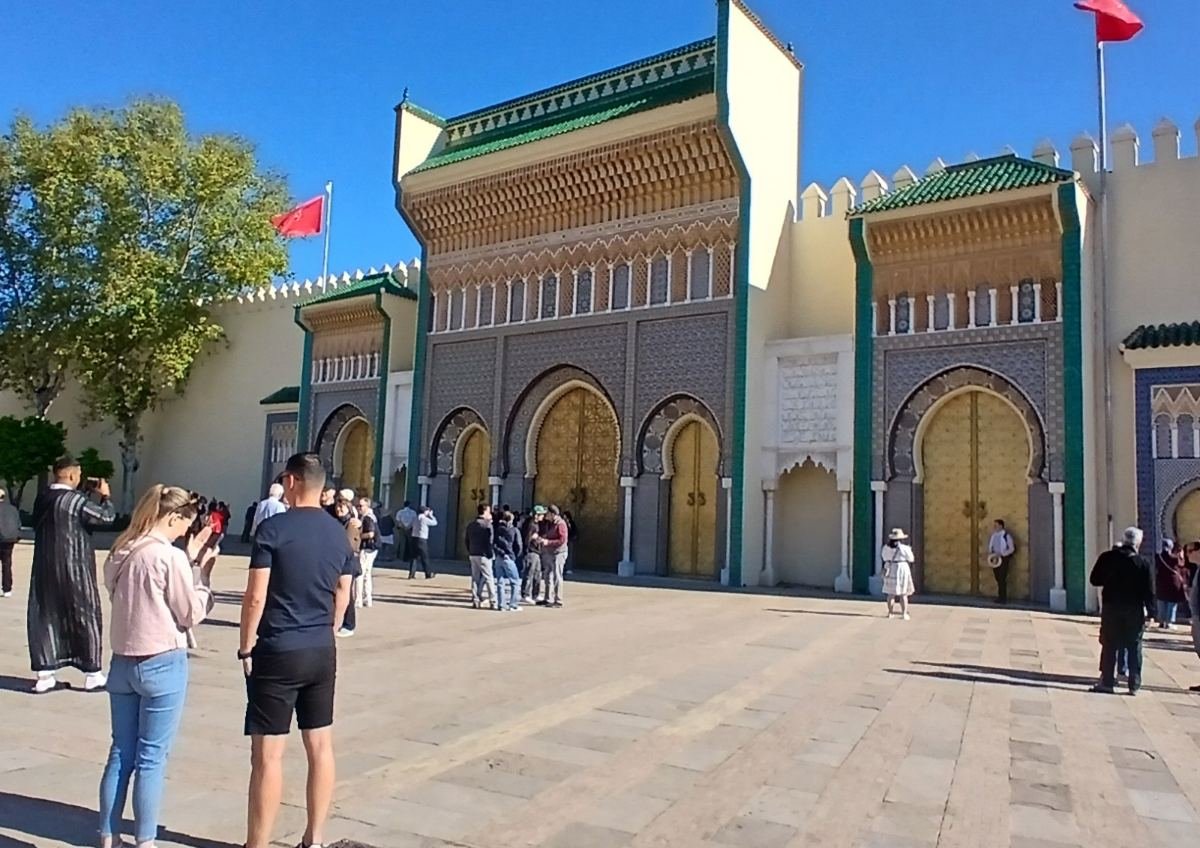
Absolutely. Fes is Morocco’s cultural and spiritual capital and is home to one of the world’s oldest continuously inhabited medieval medinas. Visitors come to experience traditional craftsmanship, historic schools, ancient mosques, and authentic Moroccan culture.
157. How many days do I need in Fes?
Two to three days is sufficient for most travelers to explore Fes. This provides enough time to discover the medina, visit historical monuments, tour the famous leather tanneries, and experience the city’s unique atmosphere.
158. What is Fes famous for?
Fes is renowned for its UNESCO-listed medina, centuries-old tanneries, traditional pottery, handcrafted textiles, religious schools, and artisan workshops. It remains one of Morocco’s most important centers of history and craftsmanship.
159. Is Chefchaouen worth visiting?
Yes. Chefchaouen is one of Morocco’s most photographed destinations. Known as the Blue City, it offers peaceful streets, mountain scenery, charming cafés, local handicrafts, and a relaxed atmosphere that contrasts with Morocco’s larger cities.
160. How many days should I spend in Chefchaouen?
Most visitors spend one or two nights in Chefchaouen. This provides enough time to wander through the blue-painted streets, enjoy panoramic viewpoints, shop for local crafts, and relax in the town’s welcoming cafés.
161. Why are the buildings in Chefchaouen painted blue?
Several traditions explain the blue color, including religious symbolism, cooling effects during warm weather, and aesthetic appeal. Regardless of its origins, the blue-painted streets have become the city’s defining feature and one of Morocco’s most recognizable attractions.
162. Is Casablanca worth visiting?
Yes. Casablanca is Morocco’s largest city and economic center. Although it is more modern than many other Moroccan destinations, it offers impressive architecture, oceanfront promenades, excellent restaurants, and the magnificent Hassan II Mosque.
163. How many days should I spend in Casablanca?
One or two days is enough for most visitors. This allows time to visit the Hassan II Mosque, explore the Corniche waterfront, discover the city center, and enjoy Casablanca’s restaurants and cafés.
164. What is the Hassan II Mosque famous for?
The Hassan II Mosque is one of the largest mosques in the world and features a spectacular location overlooking the Atlantic Ocean. It is admired for its intricate craftsmanship, towering minaret, marble interiors, and beautiful traditional Moroccan design.
165. Is Rabat worth visiting?
Yes. Rabat combines historical monuments, beautiful gardens, quiet beaches, and modern city life. As Morocco’s capital, it offers a more relaxed atmosphere than Marrakech or Fes while preserving an impressive cultural heritage.
166. What are the best places to visit in Rabat?
Highlights include the Kasbah of the Udayas, Hassan Tower, the Mausoleum of Mohammed V, the Andalusian Gardens, Chellah, and the scenic Atlantic coastline.
167. Is Essaouira worth visiting?
Absolutely. Essaouira is a charming coastal town known for its relaxed atmosphere, fresh seafood, historic medina, sandy beaches, and artistic community. It is an excellent destination for travelers looking to escape the busy pace of Morocco’s larger cities.
168. How many days should I spend in Essaouira?
Two or three days provides enough time to explore the medina, enjoy the beach, sample local seafood, browse artisan shops, and experience the town’s laid-back coastal lifestyle.
169. What makes Essaouira different from Marrakech?
Essaouira offers a cooler climate, ocean views, fresh seafood, and a quieter atmosphere. While Marrakech is energetic and fast-paced, Essaouira is known for its relaxed rhythm, making it a popular destination for travelers seeking balance during their Morocco itinerary.
170. Is Tangier worth visiting?
Yes. Tangier has become one of Morocco’s most exciting cities, blending Moroccan culture with European influences. Its coastal location, historic medina, modern marina, and easy access from Spain make it an attractive destination.
171. How many days should I spend in Tangier?
Two days is generally enough to explore Tangier’s medina, Kasbah, waterfront, museums, cafés, and nearby viewpoints overlooking the Strait of Gibraltar.
172. Can I visit Morocco from Spain in one day?
Yes. Ferry services connect southern Spain with Tangier, making day trips possible. However, travelers who wish to experience Morocco’s culture, cuisine, and historical sites more fully should plan at least several days.
173. Is Ouarzazate worth visiting?
Yes. Ouarzazate is often called the “Gateway to the Sahara” and is famous for its cinematic landscapes, historic kasbahs, film studios, and proximity to the Atlas Mountains and desert routes.
174. Why is Aït Ben Haddou so famous?
Aït Ben Haddou is one of Morocco’s best-preserved fortified villages and a UNESCO World Heritage Site. Its striking earthen architecture has appeared in numerous international films and television productions, making it one of the country’s most visited historical landmarks.
175. Is Aït Ben Haddou worth visiting?
Definitely. Visitors can explore narrow streets, climb to panoramic viewpoints, learn about traditional earthen construction, and discover one of Morocco’s most iconic examples of historic desert architecture. It is a highlight of many desert tours departing from Marrakech.
Morocco Cities & Destinations FAQS
176. Are the Atlas Mountains worth visiting?
Yes. The Atlas Mountains are one of Morocco’s most spectacular natural regions, offering dramatic landscapes, traditional Amazigh villages, scenic valleys, waterfalls, and excellent opportunities for hiking, photography, and cultural experiences. They provide a refreshing contrast to Morocco’s bustling cities and desert landscapes.
177. Which part of the Atlas Mountains should I visit?
The High Atlas Mountains are the most popular for first-time visitors because they are easily accessible from Marrakech and include famous destinations such as Imlil, Toubkal National Park, and picturesque mountain villages. The Middle Atlas and Anti-Atlas regions also offer beautiful scenery and fewer crowds.
178. Is Imlil worth visiting?
Absolutely. Imlil is a peaceful mountain village that serves as the gateway to Toubkal National Park. Visitors come to enjoy hiking, traditional Amazigh hospitality, panoramic mountain views, and authentic village life.
179. Can beginners hike in the Atlas Mountains?
Yes. While experienced hikers can attempt challenging mountain treks, there are also many easy and moderate walking trails suitable for beginners. Local guides can recommend routes based on your fitness level and available time.
180. Is Mount Toubkal difficult to climb?
Mount Toubkal, North Africa’s highest peak, requires good physical fitness but does not involve technical climbing under normal conditions. Most climbers complete the ascent over two days with a licensed mountain guide.
181. Is the Dades Valley worth visiting?
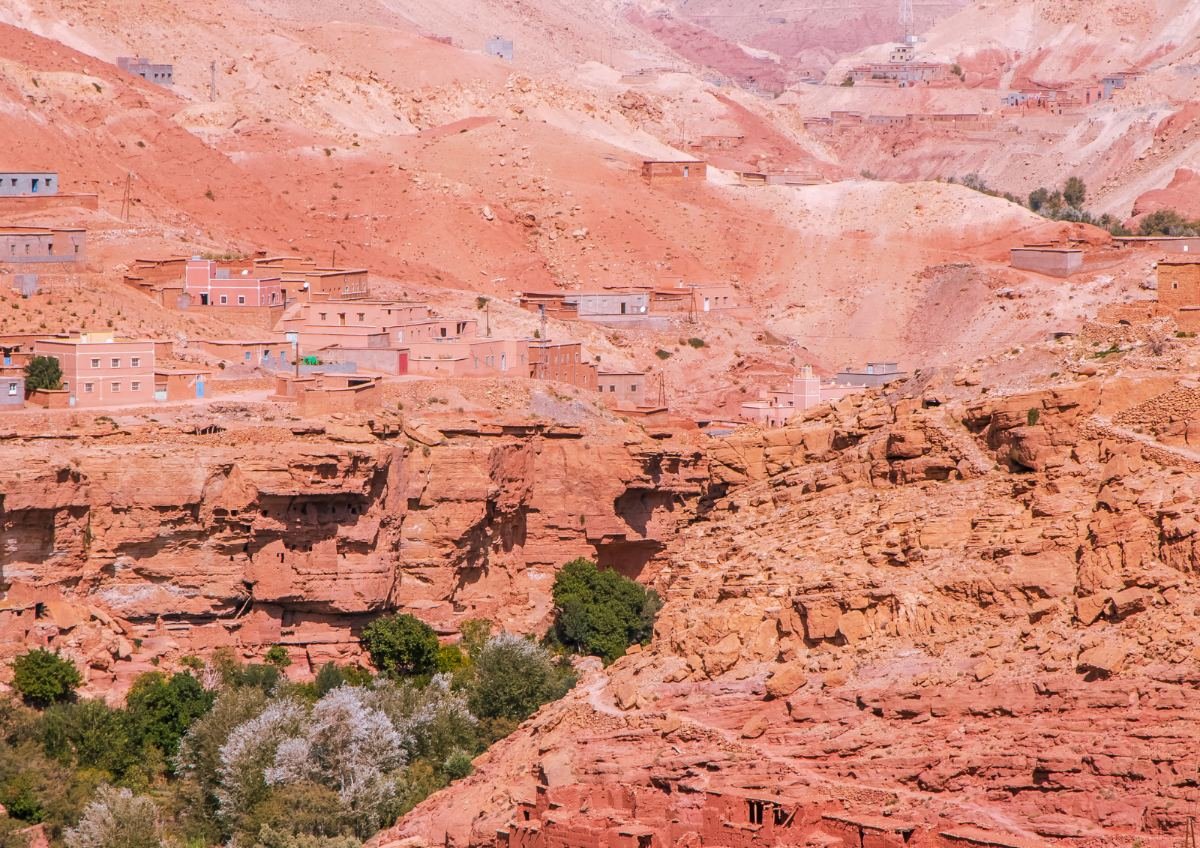
Yes. The Dades Valley is famous for its dramatic rock formations, winding mountain roads, ancient kasbahs, palm groves, and traditional villages. It is one of the most scenic stops on many desert tours between Marrakech and Merzouga.
182. What is the Dades Valley known for?
The valley is known for its spectacular red rock landscapes, lush oases, unique geological formations, and the famous winding road often called the “Road of a Thousand Kasbahs.” It is also an excellent destination for hiking and photography.
183. Is Todra Gorge worth visiting?
Definitely. Todra Gorge features towering limestone cliffs rising hundreds of meters above a narrow river valley. It is a popular destination for sightseeing, rock climbing, walking, and photography.
184. Can I walk through Todra Gorge?
Yes. A well-maintained path follows the river through the narrowest section of the gorge, allowing visitors to enjoy the impressive cliffs while taking a leisurely walk.
185. Why is Merzouga so popular?
Merzouga is the main gateway to the Erg Chebbi dunes, making it one of Morocco’s most famous desert destinations. Visitors come for camel trekking, luxury desert camps, breathtaking sunsets, sandboarding, and authentic Saharan experiences.
186. Is Merzouga a good place to stay?
Yes. Merzouga offers accommodations for every budget, from traditional guesthouses to luxury desert camps. Spending one or two nights allows visitors to fully enjoy the desert and nearby cultural attractions.
187. Is Rissani worth visiting?
Yes. Rissani is known for its traditional market, historic architecture, and cultural significance as the birthplace of Morocco’s current royal dynasty. It is an excellent stop for travelers interested in authentic local life.
188. What is Rissani Market famous for?
The market is famous for its traditional atmosphere, local produce, spices, handmade crafts, livestock trading, and regional specialties. It provides an authentic glimpse into everyday life in southern Morocco.
189. Are the Ouzoud Waterfalls worth visiting?
Absolutely. The Ouzoud Waterfalls are among Morocco’s most beautiful natural attractions. Visitors can enjoy scenic walking trails, boat rides near the falls, panoramic viewpoints, and the chance to see wild Barbary macaques.
190. Can I visit the Ouzoud Waterfalls as a day trip?
Yes. Ouzoud is one of the most popular day trips from Marrakech. The journey takes approximately two and a half to three hours each way, making it a convenient excursion.
191. Is Ifrane worth visiting?
Yes. Often called the “Little Switzerland of Morocco,” Ifrane is known for its alpine-style architecture, clean streets, cool climate, and surrounding cedar forests. It offers a unique side of Morocco that surprises many visitors.
192. What is special about Ifrane?
Unlike Morocco’s historic medinas, Ifrane features European-inspired architecture, landscaped parks, and mountain scenery. During winter, nearby ski areas attract visitors looking for snow activities.
193. Is Meknes worth visiting?
Yes. Meknes is one of Morocco’s four imperial cities and offers impressive historical monuments, grand gates, palaces, and a more relaxed atmosphere than Marrakech or Fes.
194. What are the best attractions in Meknes?
Highlights include Bab Mansour, El Hedim Square, the Royal Stables, the Mausoleum of Moulay Ismail, and nearby historical sites such as Volubilis.
195. Is Volubilis worth visiting?
Definitely. Volubilis contains Morocco’s best-preserved Roman archaeological remains. Visitors can explore ancient streets, temples, villas, mosaics, and public buildings while learning about the region’s Roman history.
196. How much time should I spend at Volubilis?
Most visitors spend two to three hours exploring the archaeological site. Hiring a local guide can help you better understand the history and significance of the ruins.
197. Is Agadir worth visiting?
Yes. Agadir is Morocco’s leading beach resort destination. It offers long sandy beaches, modern hotels, waterfront restaurants, golf courses, and a pleasant climate throughout much of the year.
198. What activities can I enjoy in Agadir?
Visitors can relax on the beach, enjoy water sports, visit the marina, explore local markets, play golf, take boat excursions, or use Agadir as a base for day trips to Paradise Valley and nearby coastal villages.
199. Which destination is best for beach lovers?
Essaouira and Agadir are Morocco’s two most popular beach destinations. Essaouira is known for its charming historic atmosphere and strong winds ideal for water sports, while Agadir offers wide sandy beaches, luxury resorts, and family-friendly facilities.
200. Which Morocco destinations should I prioritize if I have only one week?
If you have seven days, consider combining Marrakech, Aït Ben Haddou, the Dades Valley, Merzouga, and Fes. This route allows you to experience Morocco’s imperial cities, mountain landscapes, historic kasbahs, and the Sahara Desert in a single memorable journey. If you prefer a slower pace, focus on Marrakech, the Atlas Mountains, and Essaouira instead.
Accommodation & Transportation FAQS
201. What is a riad?
A riad is a traditional Moroccan house built around a central courtyard or garden. Many historic riads have been carefully restored and transformed into boutique guesthouses that combine authentic architecture with modern comfort. Staying in a riad is one of the best ways to experience Moroccan hospitality.
202. Should I stay in a riad or a hotel?
Both are excellent options, but they offer different experiences. Riads provide an intimate atmosphere, traditional décor, and personalized service, while hotels often feature larger facilities such as swimming pools, fitness centers, and a wider range of amenities. Your choice depends on your travel style and preferences.
203. Are riads comfortable?
Yes. Most riads offer comfortable rooms with private bathrooms, air conditioning or heating, and modern conveniences while preserving traditional Moroccan design. Luxury riads often include rooftop terraces, spas, plunge pools, and fine dining.
204. Are riads suitable for families?
Many riads welcome families and offer larger rooms or connecting accommodations. Some also provide family suites, child-friendly services, and private courtyards where children can relax after sightseeing.
205. Do riads have air conditioning?
Most modern riads provide air conditioning for the warmer months and heating for cooler winter evenings. It’s always advisable to confirm the available amenities before booking.
206. Is breakfast included when staying in a riad?
Breakfast is included at many riads and usually consists of fresh bread, pastries, fruit, yogurt, eggs, local honey, olive oil, traditional pancakes, fresh juice, and Moroccan mint tea or coffee.
207. Are luxury riads worth the extra cost?
Luxury riads offer spacious rooms, elegant interiors, rooftop terraces, private courtyards, spa facilities, exceptional service, and gourmet dining. For travelers seeking comfort and an authentic atmosphere, they provide excellent value.
208. What is the difference between a riad and a kasbah?
A riad is traditionally an urban home built around an interior courtyard, while a kasbah is a fortified structure or village often found in southern Morocco and the Atlas region. Many restored kasbahs now operate as unique hotels.
209. What types of accommodation are available in Morocco?
Morocco offers a wide variety of accommodations, including budget hostels, guesthouses, traditional riads, boutique hotels, luxury resorts, mountain lodges, eco-lodges, beach hotels, and desert camps. Travelers can easily find options that suit different budgets and travel styles.
210. Are luxury hotels common in Morocco?
Yes. Morocco has an excellent selection of luxury hotels and resorts, particularly in Marrakech, Casablanca, Rabat, Agadir, and along the Atlantic coast. Many feature world-class spas, fine dining, golf courses, and premium guest services.
211. Are Morocco’s desert camps comfortable?
Modern desert camps range from simple traditional tents to luxurious accommodations with comfortable beds, private bathrooms, hot showers, electricity, and high-quality dining. Travelers can choose the level of comfort that best suits their expectations.
212. Do luxury desert camps have private bathrooms?
Most luxury camps offer private bathrooms with toilets, sinks, and hot showers inside each tent. Standard camps often provide shared facilities.
213. Can I request a private tent in the Sahara?
Yes. Private tents are available at most desert camps and are commonly included in private tours. Families and couples often prefer private accommodations for additional comfort and privacy.
214. Is Wi-Fi available at hotels and riads?
Most hotels and riads provide complimentary Wi-Fi. Internet quality varies by location, with stronger connections typically available in major cities than in remote mountain or desert regions.
215. Are swimming pools common in Morocco?
Many hotels, resorts, and luxury riads include swimming pools. Pools are especially common in Marrakech, Agadir, and high-end accommodations throughout the country.
216. Are Moroccan accommodations family-friendly?
Yes. Many hotels and riads welcome families by offering larger rooms, family suites, children’s menus, and flexible room arrangements. Private tours also allow families to choose accommodations that best meet their needs.
217. Can hotels accommodate dietary requirements?
Most hotels and restaurants can prepare vegetarian, vegan, gluten-free, or allergy-friendly meals when informed in advance. Providing your dietary requirements before arrival helps ensure the best possible service.
218. Is public transportation reliable in Morocco?
Yes. Morocco has an extensive transportation network that includes trains, buses, taxis, and domestic flights. Major cities are well connected, making it relatively easy to travel independently or as part of an organized tour.
219. Is Morocco’s train system good?
Morocco’s rail network is modern, comfortable, and reliable for travel between many major cities, including Tangier, Rabat, Casablanca, Meknes, and Fes. It is one of the most convenient transportation options for these routes.
220. Which cities are connected by train?
Popular train routes connect Tangier, Kenitra, Rabat, Casablanca, Meknes, and Fes. Some routes continue toward Marrakech. However, destinations such as Merzouga, Ouarzazate, and the Dades Valley are accessible only by road.
221. Should I take the train or join a guided tour?
The train is ideal for independent travel between major cities. A guided tour is often the better option if you want to visit the Sahara Desert, the Atlas Mountains, kasbahs, valleys, and other destinations that are not served by the rail network.
222. Are buses comfortable in Morocco?
Yes. Long-distance buses are widely used and many offer comfortable seating, air conditioning, and luggage storage. They provide an affordable way to travel between cities and tourist destinations.
223. Is renting a car a good idea in Morocco?
Renting a car gives you flexibility and independence, especially if you want to explore rural areas at your own pace. However, travelers unfamiliar with local driving conditions may find a private driver or organized tour to be a more relaxing option.
224. Should I hire a private driver?
A private driver is an excellent choice for travelers who want to enjoy the scenery without worrying about navigation, parking, or road conditions. It also allows for flexible stops at viewpoints, villages, and attractions along the route.
225. Are roads in Morocco in good condition?
Most highways and major roads are well maintained and suitable for comfortable travel. Some mountain roads are narrower and more winding, but they are generally accessible throughout the year, weather permitting.
226. Are domestic flights available in Morocco?
Yes. Domestic flights connect several major cities, including Casablanca, Marrakech, Agadir, Dakhla, Ouarzazate, Errachidia, and Tangier. Flying can save time on longer routes, although many travelers prefer overland travel because it allows them to enjoy Morocco’s changing landscapes and cultural attractions along the way.
227. Is flying or driving better for exploring Morocco?
It depends on your itinerary. Flying is the quickest option for covering long distances, while driving offers the opportunity to visit scenic valleys, mountain passes, kasbahs, traditional villages, and other places that are not accessible by air. For many visitors, a road trip provides a richer travel experience.
228. Are airport transfers included in Morocco tours?
Many organized tours include airport pickup and drop-off, especially private itineraries. If airport transfers are not included, most tour operators can arrange them for an additional fee. It’s always best to confirm this before your arrival.
229. Can I arrange a private airport transfer?
Yes. Private airport transfers are available at all major international airports in Morocco. They provide a convenient, comfortable, and stress-free way to reach your accommodation, particularly if you are arriving late at night or visiting Morocco for the first time.
230. Are taxis available at Moroccan airports?
Yes. Official taxis are available outside the arrival terminals at major airports. It is advisable to use licensed taxis and, where possible, agree on the fare in advance or ensure the meter is used according to local regulations.
231. Are ride-hailing services available in Morocco?
Ride-hailing availability varies by city and may change over time. In many destinations, licensed taxis remain the most common form of local transportation. Your hotel or riad can also assist in arranging reliable transport when needed.
232. How do I travel between Marrakech and Fes?
Travelers can choose between trains, buses, domestic flights, rental cars, private drivers, or guided tours. Those wishing to visit the Sahara Desert often choose a multi-day road trip that connects Marrakech and Fes through the Atlas Mountains and Merzouga.
233. How long does it take to drive from Marrakech to Merzouga?
The journey typically takes between eight and ten hours without extended sightseeing stops. Most travelers divide the trip over two days to enjoy attractions such as Aït Ben Haddou, Ouarzazate, the Dades Valley, and Todra Gorge.
234. How long does it take to drive from Fes to Merzouga?
The drive usually takes around seven to eight hours. Many itineraries include scenic stops in Ifrane, the cedar forests, the Ziz Valley, and traditional villages before arriving at the Sahara Desert.
235. Can I drive from Casablanca to the Sahara Desert?
Yes. Driving from Casablanca to Merzouga is possible, but the journey is long. Most travelers either split the route into multiple days or combine it with visits to destinations such as Fes, Marrakech, or the Atlas Mountains.
236. Is it easy to find fuel stations in Morocco?
Fuel stations are common along highways and in cities. In remote desert regions, stations are less frequent, so drivers should refuel whenever possible before continuing into sparsely populated areas.
237. Are roads open throughout the year?
Most roads remain open year-round. However, heavy snowfall in the Atlas Mountains or occasional flooding may temporarily affect certain routes. Travelers visiting during winter should check local conditions before departure.
238. Is winter driving difficult in the Atlas Mountains?
Winter conditions can include snow, ice, and reduced visibility at higher elevations. Drivers should exercise caution, allow extra travel time, and follow local weather and road condition updates. If you are unfamiliar with mountain driving, hiring an experienced local driver is often the safest option.
239. Is parking easy in Morocco?
Parking is generally available near hotels, attractions, and public areas, although availability may be more limited in historic medinas where vehicles are restricted. Many accommodations can recommend nearby secure parking facilities.
240. Can I drive inside the medinas?
No. Most historic medinas are pedestrian-only areas with narrow streets that are inaccessible to vehicles. Visitors typically park outside the medina and continue on foot, often with assistance from accommodation staff for transporting luggage.
241. Who helps with luggage in the medinas?
Many riads arrange for staff to meet guests at an accessible location and assist with luggage through the narrow streets. This service can be especially helpful for first-time visitors unfamiliar with the layout of the medina.
242. Are Morocco tours suitable for travelers with limited mobility?
Many private tours can be adapted to accommodate travelers with limited mobility. Accessible accommodations, shorter walking routes, and adjusted sightseeing schedules can often be arranged with advance planning.
243. Can wheelchair users travel in Morocco?
Wheelchair users can enjoy many parts of Morocco, particularly modern hotels and newer attractions. However, some historic medinas feature uneven streets, steps, and narrow passageways that may present challenges. Careful itinerary planning helps create a more comfortable experience.
244. Is Morocco suitable for travelers with young children?
Yes. Morocco is a welcoming destination for families. Private tours provide flexibility for meal times, rest breaks, and sightseeing, allowing parents to travel at a pace that suits their children.
245. Can I travel with a baby in Morocco?
Yes. Families traveling with babies should bring essential supplies, including a stroller suitable for uneven surfaces or a baby carrier for navigating medinas. Many hotels can provide baby cots if requested in advance.
246. Is traveling by private vehicle more comfortable than public transport?
For travelers exploring multiple destinations, private transportation often offers greater comfort, flexibility, and convenience. It also allows spontaneous stops for photography, sightseeing, and local experiences that are difficult to enjoy when using fixed public transport schedules.
247. Should I book transportation before arriving in Morocco?
Booking transportation in advance is recommended during busy travel periods. Reserving airport transfers, private drivers, trains, or domestic flights early can help secure availability and reduce travel-related stress.
248. What is the most scenic road trip in Morocco?
One of the most scenic routes travels from Marrakech through the High Atlas Mountains, Aït Ben Haddou, Ouarzazate, the Dades Valley, Todra Gorge, and Merzouga before continuing to Fes. This journey showcases Morocco’s remarkable diversity of landscapes and cultural heritage.
249. What is the easiest way to explore Morocco?
For first-time visitors, a private guided tour is often the easiest and most comfortable option. It combines transportation, accommodation, local expertise, and a well-planned itinerary, allowing travelers to focus on enjoying the experience rather than organizing logistics.
250. What is the best transportation option for a first-time visitor to Morocco?
The best choice depends on your itinerary, budget, and travel style. Independent travelers may enjoy trains and rental cars, while those seeking convenience and local knowledge often prefer private tours with experienced drivers. For travelers planning to visit the Sahara Desert and several regions of Morocco, a guided road tour offers one of the most enjoyable and efficient ways to discover the country.
251. What food is Morocco famous for?
Morocco is renowned for its rich culinary traditions, combining Amazigh, Arab, Andalusian, Mediterranean, and African influences. Popular dishes include tagine, couscous, pastilla, harira soup, grilled meats, fresh seafood along the coast, and a wide variety of pastries and sweets. Meals are often prepared with aromatic spices, olive oil, preserved lemons, olives, and seasonal vegetables.
252. What is a tagine?
A tagine is both a traditional clay cooking vessel and the slow-cooked dish prepared inside it. Tagines can include chicken, lamb, beef, fish, or vegetables, combined with herbs, spices, dried fruits, olives, or preserved lemons to create flavorful meals.
253. What is couscous?
Couscous is one of Morocco’s best-known traditional dishes. It consists of steamed semolina grains served with vegetables and usually topped with beef, lamb, chicken, or a vegetarian stew. Many Moroccan families traditionally prepare couscous on Fridays.
254. What drinks are popular in Morocco?
Moroccan mint tea is the country’s most iconic beverage and symbolizes hospitality. Fresh fruit juices, Arabic coffee, herbal infusions, and seasonal drinks are also widely enjoyed throughout Morocco.
255. Is Moroccan food spicy?
Moroccan cuisine is flavorful rather than very spicy. Dishes are often seasoned with cumin, ginger, cinnamon, turmeric, paprika, saffron, coriander, and other aromatic spices. Chili peppers are generally served separately for those who prefer extra heat.
256. Can vegetarians travel easily in Morocco?
Yes. Vegetarian travelers will find many suitable dishes, including vegetable tagines, couscous with vegetables, lentil soups, fresh salads, grilled vegetables, olives, bread, and seasonal fruit. Restaurants can often adapt meals upon request.
257. Is vegan food available in Morocco?
Yes. Vegan options are becoming increasingly common, particularly in larger cities and tourist destinations. Many traditional dishes can be prepared without meat or dairy if requested in advance.
258. Is gluten-free food available?
Many restaurants can accommodate gluten-free diets with advance notice. Naturally gluten-free options include grilled meats, salads, vegetables, and rice-based dishes. Travelers with celiac disease should clearly explain their dietary requirements when ordering meals.
259. Is Moroccan food suitable for children?
Yes. Many traditional dishes are mild in flavor and suitable for children. Grilled chicken, rice, bread, pasta, fresh fruit, omelets, and vegetable dishes are widely available throughout the country.
260. Is street food safe to eat?
Street food can be a wonderful way to experience local cuisine when purchased from clean, busy vendors with a high turnover of customers. Choosing freshly prepared food and practicing normal food safety precautions can help reduce health risks.
261. Can I drink tap water in Morocco?
Many visitors prefer bottled or filtered water, particularly during the first few days of their stay. Hotels, restaurants, and shops sell bottled water throughout the country, and reusable bottles with built-in filters are also a practical option.
262. Is alcohol available in Morocco?
Yes. Alcohol is available in many hotels, licensed restaurants, bars, and specialized shops, particularly in larger cities and tourist areas. Availability may be more limited in smaller towns and rural regions.
263. Can non-Muslims drink alcohol in Morocco?
Yes. Non-Muslim visitors may consume alcohol in licensed establishments and private accommodations where it is permitted. Travelers should drink responsibly and respect local customs.
264. What should I wear in Morocco?
Comfortable clothing that respects local customs is recommended. Lightweight fabrics are ideal during warmer months, while layers are useful in cooler seasons. When visiting religious sites or rural communities, modest clothing that covers the shoulders and knees is appreciated.
265. Do women need to cover their hair in Morocco?
No. Female visitors are not required to wear a headscarf. However, dressing modestly, particularly in conservative areas and places of worship, demonstrates respect for local traditions.
266. Can I wear shorts in Morocco?
Shorts are commonly worn by tourists in coastal resorts, hotels, and many urban areas. For visits to religious sites, traditional neighborhoods, or rural villages, longer shorts or lightweight trousers may be a more respectful choice.
267. Is Morocco conservative?
Morocco is a culturally diverse country that blends traditional values with modern lifestyles. Attitudes vary between cities, coastal destinations, and rural communities. Dressing respectfully and being mindful of local customs helps visitors feel comfortable throughout their trip.
268. What should I wear in the Sahara Desert?
Lightweight, breathable clothing is suitable during the day, while a warm jacket or fleece is recommended for cooler evenings, especially during autumn and winter. Closed-toe shoes, sunglasses, sunscreen, and a scarf for sun and sand protection are also useful.
269. Can unmarried couples share a hotel room?
International visitors are generally able to share accommodation without issue at hotels, riads, and tourist establishments. Requirements may differ for Moroccan citizens and residents, so travelers should verify policies with their accommodation if they have specific concerns.
270. Is public affection acceptable in Morocco?
Small gestures such as holding hands are generally accepted, particularly in tourist areas. More intimate displays of affection are uncommon in public and are best avoided out of respect for local customs.
271. How should I greet people in Morocco?
A friendly greeting and a smile are always appreciated. Handshakes are common in business and social settings, although some people may prefer not to shake hands with members of the opposite sex. Following the other person’s lead is the most respectful approach.
272. Is bargaining expected in Moroccan markets?
Yes. Negotiating prices is a long-standing tradition in many souks and artisan markets. Bargaining should be polite, friendly, and conducted with good humor. If you are not interested in purchasing an item, simply thank the seller and continue browsing.
273. Should I tip in Morocco?
Tipping is appreciated for good service in restaurants, hotels, guided tours, taxis, and by drivers. While not always mandatory, leaving a modest tip is a thoughtful way to recognize excellent service.
274. Can I photograph local people?
Always ask for permission before taking photographs of individuals. Most people appreciate being asked first, and respecting their wishes helps create positive interactions and meaningful cultural exchanges.
275. Are there any cultural customs I should know before visiting Morocco?
Respecting local traditions will enhance your experience. Dress modestly when appropriate, greet people politely, ask permission before photographing individuals, remove your shoes when invited into a private home if requested, and remain considerate during religious holidays such as Ramadan. Showing curiosity and respect for Moroccan culture is often met with warm hospitality.