
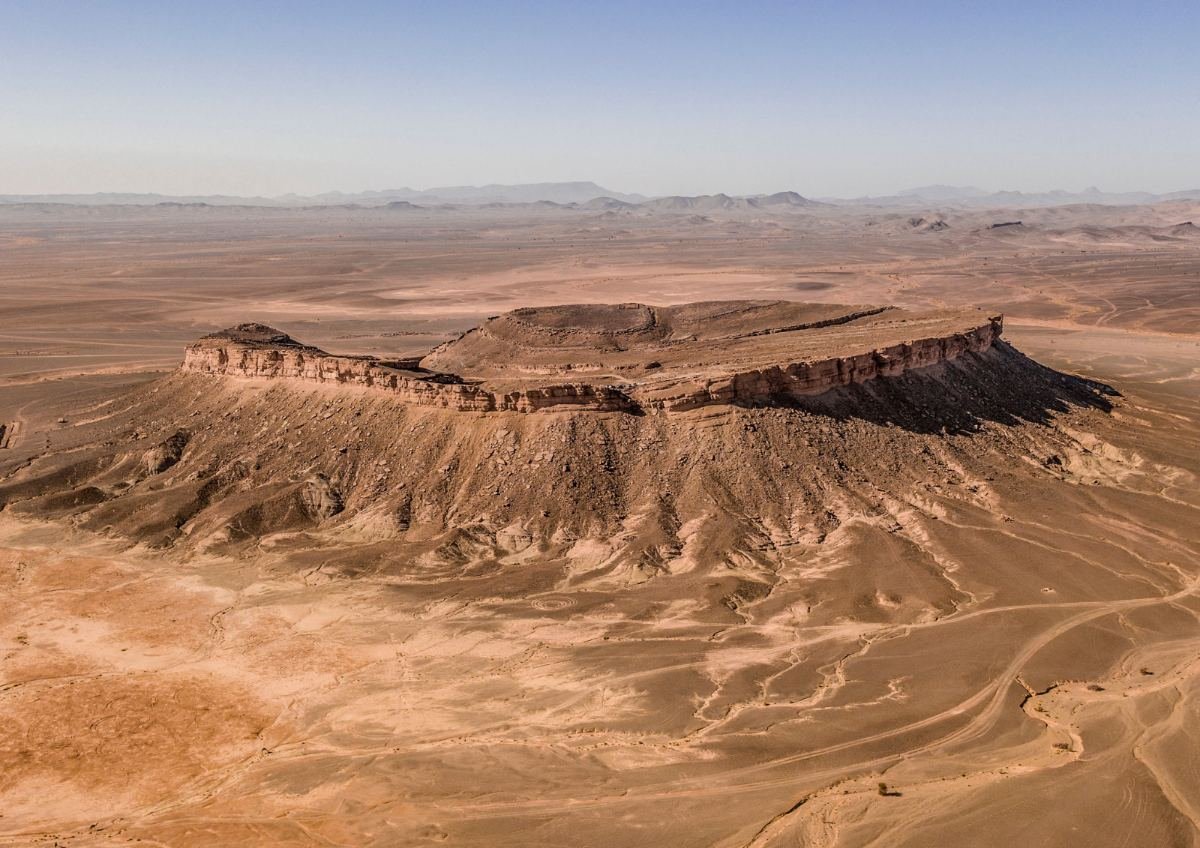
Planning a desert tour from Marrakech raises a lot of questions, so we’ve answered the 30 most common ones in detail below, with sample itineraries, durations, and practical tips. Whether you have two days or a week, this guide helps you choose the right Sahara adventure.
Marrakech is the most popular launch point for desert tours in Morocco, with routes to both the Zagora dunes and the tall Erg Chebbi dunes at Merzouga. Read on for everything you need to plan your trip.
30 Questions & Answers
What is the most popular desert tour from Marrakech?
The most popular desert tour from Marrakech is the 3-day round trip to Merzouga and the Erg Chebbi dunes. It’s the sweet spot: enough time to cross the High Atlas, travel through the Valley of a Thousand Kasbahs, spend a night at a desert camp with a camel trek, and return, without feeling overly rushed.
A typical 3-day itinerary looks like this: Day 1 — Marrakech over the Tizi n’Tichka pass to Ait Ben Haddou and Ouarzazate, then the Dades Valley for the night. Day 2 — Todgha Gorge, then on to Merzouga for a sunset camel trek to your desert camp. Day 3 — sunrise over the dunes and the scenic drive back to Marrakech. Our 4-Day Tour from Marrakech to Merzouga follows this classic route.
How many days do I need for a Marrakech desert tour?
It depends on which dunes you want and how relaxed you’d like the pace. Two days is enough for the closer Zagora dunes; three days is the minimum for the tall Erg Chebbi dunes at Merzouga; four to five days gives a relaxed pace with more time in the gorges, oases, and desert.
If you want to end in Fes rather than return to Marrakech, plan on three to five days one-way. For remote Erg Chigaga, allow at least three to four days because of the 4×4 access. As a rule of thumb: 2 days = quick taste, 3 days = classic, 5 days = comprehensive.
Which is better, Merzouga or Zagora?
Merzouga (Erg Chebbi) has the tall, classic Sahara dunes that most people picture, some rising over 100 meters, but it’s farther, needing at least three days. Zagora’s dunes are smaller and the landscape more rocky-oasis, but it’s reachable in two days.
If your priority is the iconic golden dune experience and you have three days, choose Merzouga. If you’re short on time and just want a genuine desert night with a camel ride, Zagora delivers that in two days. Both include camel trekking and an overnight desert camp.
What is a typical 2-day Zagora itinerary?
Day 1: Depart Marrakech in the morning, cross the Tizi n’Tichka pass, stop at the UNESCO kasbah of Ait Ben Haddou, continue through Ouarzazate and the Draa Valley to Zagora, then ride a camel to a desert camp for dinner and stargazing.
Day 2: Wake for sunrise over the palm groves, then retrace the scenic route back to Marrakech with photo and lunch stops, arriving in the evening. It’s a fast but rewarding overnight escape into the desert.
What is a typical 3-day Merzouga itinerary?
Day 1: Marrakech to the Dades Valley via the Tizi n’Tichka pass, Ait Ben Haddou, Ouarzazate, and the Valley of Roses. Overnight in the Dades.
Day 2: Through Todgha Gorge’s towering walls, then to Merzouga for a sunset camel trek into the Erg Chebbi dunes and a night at a desert camp. Day 3: Sunrise over the dunes, then the return drive to Marrakech. Our All Tours covers this itinerary.
How much does a desert tour from Marrakech cost?
Prices vary by length, group size, and comfort level. Shared group tours are the most affordable, while private tours cost more but offer flexibility since the price is split across your group and vehicle. Luxury camps and private guides raise the price.
As a general guide, budget shared tours are the cheapest per person, mid-range private tours sit in the middle, and luxury private tours with five-star camps are at the top. For an exact quote based on your dates and group size, use the booking form at the end of this post.
Is the desert tour suitable for families with children?
Yes. Desert tours are very family-friendly. Children love the camel rides, climbing the dunes, and sleeping in a desert camp. The main consideration is the driving time, so a 3- or 4-day tour with shorter daily drives and frequent stops works best.
Private family tours are recommended because you can set the pace, stop when needed, and choose family tents at the camp. Meals like tagine and couscous suit most young palates. Our 3-Day Desert Tour from Marrakech to Merzouga can be adapted for families.
What should I pack for a Marrakech desert tour?
Pack layers, because desert days are warm but nights can be cold, near freezing in winter. Bring a warm jacket, a scarf for sand and sun, sunglasses, high-SPF sunscreen, closed shoes for the dunes, and a refillable water bottle.
Also bring some cash in dirhams for tips and extras, a power bank, and a small day bag for the overnight at camp (you can leave your main luggage in the vehicle). Modest, breathable clothing is best for visiting villages and towns along the way.
Do desert tours from Marrakech include a camel ride?
Yes, virtually all desert tours include a camel trek, usually at sunset, to reach the desert camp among the dunes. The ride typically lasts one to two hours and is one of the most memorable parts of the trip.
If you’d prefer not to ride, a 4×4 transfer to camp is available on request. Just note your preference when booking so it can be arranged in advance.
What are the desert camps like?
Desert camps range from standard to luxury. Standard camps have comfortable shared or private tents with beds and blankets, shared bathroom facilities, and communal dinners. Luxury camps offer spacious private tents with real beds, en-suite bathrooms, and gourmet dining.
All camps include dinner, breakfast, and the unforgettable experience of a night under the stars with Berber music around a fire. You can choose your comfort level when booking, and upgrades to luxury tents are available on any tour.
Can I travel from Marrakech to Fes through the desert?
Yes, and it’s a popular one-way route. Instead of returning to Marrakech, you continue north from Merzouga through the Ziz Valley and Middle Atlas to Fes. This lets you see both cities and the desert without backtracking.
The Marrakech-to-Fes desert route takes three to five days depending on pace. A 3-day version is efficient but fast; 4 or 5 days allows more time in the gorges, valleys, and desert. It’s ideal if you’re flying into one city and out of the other.
What is the best time of year for a Marrakech desert tour?
Spring (March–May) and fall (September–November) are ideal, with warm days and comfortable desert nights. These shoulder seasons offer the best balance of good weather and manageable crowds.
Summer (June–August) is very hot in the desert, so activities shift to early morning and evening. Winter (December–February) brings cold desert nights, sometimes near freezing, but clear skies and thin crowds. Desert camps provide plenty of bedding year-round.
How long is the drive from Marrakech to Merzouga?
The drive from Marrakech to Merzouga is roughly 8 to 9 hours of actual driving, which is why the tour is spread over multiple days with overnight stops rather than done in one push. The route crosses the High Atlas and passes numerous scenic stops.
On a 3-day tour, the driving is broken up: about 6-7 hours on day one (to the Dades), a shorter drive on day two (to Merzouga via Todgha Gorge), and the return on day three. This pacing keeps the journey enjoyable rather than exhausting.
Are private desert tours worth it?
For many travelers, yes. A private tour gives you your own driver-guide and vehicle, flexible pacing, the freedom to stop wherever you like, and a customizable itinerary. It’s especially valuable for families, couples, and small groups.
Because the cost is shared across your group and vehicle, private tours become more economical the larger your group. If you value flexibility and a personalized experience over the lower price of a shared tour, private is the way to go. Our 4-Day Tour from Marrakech to Merzouga is available privately.
What is the Valley of a Thousand Kasbahs?
It’s the nickname for the scenic route between Ouarzazate and the desert, dotted with earthen kasbahs (fortified houses) set against dramatic valley scenery. It includes the Dades Valley and the road toward the gorges.
You’ll pass many of these kasbahs on the drive to Merzouga, some restored as guesthouses. It’s one of the most photogenic stretches of the desert tour, especially in the golden light of late afternoon.
Can I do a luxury desert tour from Marrakech?
Yes. Luxury desert tours pair boutique riads and kasbah hotels along the route with a five-star desert camp, a private driver-guide, and premium vehicles. The desert camp features private en-suite tents, real beds, and fine dining under the stars.
Luxury tours can be arranged over three to five days and fully customized. They’re ideal for honeymooners and travelers who want the magic of the Sahara with maximum comfort. Request a luxury tour through the booking form.
Is it safe to do a desert tour in Morocco?
Yes. Desert tours are very safe when traveling with an experienced operator and guide. The main considerations are environmental, heat, sun, and cold nights, all easily managed with proper preparation and a good guide.
Roads are paved for the main routes, drivers are experienced with mountain and desert driving, and camps are well-established. Traveling with a reputable operator removes the risks of navigating unmarked desert tracks on your own.
What’s included in a typical desert tour price?
A typical tour includes private or shared transport with a driver, fuel, a camel trek, and the desert camp with dinner and breakfast. Accommodation in guesthouses or hotels along the route is usually included on multi-day tours.
Not usually included: lunches, drinks, entry fees to some monuments, tips, and optional activities like quad biking. Luxury upgrades and private guiding cost extra. Always confirm exactly what’s included when booking via the form below.
Can I see Ait Ben Haddou on a desert tour?
Yes. Ait Ben Haddou, a UNESCO World Heritage kasbah, is a standard stop on nearly every desert tour from Marrakech, usually on the first day. This fortified earthen village has appeared in many films, from Lawrence of Arabia to Game of Thrones.
You’ll have time to climb to the granary at the top for panoramic views and explore the ksar’s lanes. Nearby Ouarzazate, with its film studios, is often visited on the same day.
Do I need a visa to do a Morocco desert tour?
Most visitors, including US, UK, EU, Canadian, and Australian citizens, do not need a visa for stays up to 90 days. You simply need a passport valid for at least six months beyond your arrival date.
Since visa rules depend on your nationality, check your specific requirements before traveling. For most Western travelers, entry is straightforward and visa-free, which makes Morocco an easy destination for a desert adventure.
What is Todgha Gorge and why visit it?
Todgha Gorge is a dramatic canyon where limestone walls rise hundreds of feet around a river, creating a cool, striking contrast to the surrounding desert. It’s a highlight of the second day on most Merzouga tours.
You can walk between the towering walls, popular with rock climbers, and enjoy the shade and greenery of the river valley. It’s a natural, refreshing stop on the way to the dunes.
Can I combine a desert tour with other activities?
Yes. Desert tours pair well with add-ons like quad biking or sandboarding at Merzouga, visits to nomad families, a stop at the Khamlia village known for Gnaoua music, and 4×4 excursions to fossil sites and oases.
You can also combine the desert with city tours in Marrakech or Fes, or extend to the coast. Tell us your interests via the booking form and we’ll build a combined itinerary.
What is Erg Chigaga and how is it different from Merzouga?
Erg Chigaga is a remote sand sea near M’Hamid, beyond Zagora, reached by 4×4. It’s wilder, larger, and far less visited than Merzouga’s Erg Chebbi dunes, offering a more secluded desert experience.
Merzouga is more accessible and popular, with easier road access. Erg Chigaga suits adventurous travelers who want solitude and don’t mind the extra 4×4 travel. Allow at least three to four days for an Erg Chigaga tour.
Is Wi-Fi or phone signal available in the desert?
Phone signal is patchy to nonexistent in the deep desert, and Wi-Fi is limited or unavailable at most standard camps. This is part of the appeal, a genuine disconnection under the stars.
Some luxury camps offer limited Wi-Fi. Along the route, towns and guesthouses generally have signal and Wi-Fi. If staying connected is essential, mention it when booking so we can suggest suitable camps.
What kind of vehicle is used for desert tours?
Most tours use comfortable, air-conditioned vehicles: modern 4x4s (like Toyota Land Cruisers) for smaller groups, or minivans for larger groups. For remote destinations like Erg Chigaga, a genuine 4×4 is essential for the off-road sections.
Private tours give you your own vehicle and driver, while shared tours group you with other travelers. The vehicle type is matched to your group size and route, ensuring comfort on the long scenic drives.
Can I start a desert tour any day of the week?
Private tours can start any day you choose, since they’re arranged around your schedule. Shared group tours run on set departure days, which vary by season and demand.
For maximum flexibility on dates, a private tour is best. If you’re flexible and want the lower cost of a shared tour, we’ll let you know the available departure days. Use the booking form to check dates.
What is the food like on a desert tour?
Meals feature traditional Moroccan cuisine: tagines (slow-cooked stews), couscous, fresh bread, salads, and mint tea. Dinner at the desert camp is typically a hearty tagine served communally, followed by fruit and tea.
Breakfast includes bread, eggs, olives, and tea or coffee. Vegetarian and other dietary needs can be accommodated with advance notice, just let us know when booking. Lunches along the route are usually at local restaurants (often not included in the price).
Can I book a desert tour for a large group?
Yes. Tours can be arranged for large groups, families, or friends traveling together, with appropriately sized vehicles or multiple vehicles. Group tours often bring down the per-person cost since the vehicle and guide are shared.
For large groups, a private group tour is ideal, allowing a customized itinerary and pacing. Contact us with your group size and dates via the booking form for a tailored quote.
How far in advance should I book my desert tour?
For spring and fall (peak seasons), book two to four months ahead to secure the best camps and dates, as they fill quickly. For other times, a few weeks’ notice is often enough, though earlier is always safer.
Last-minute bookings are sometimes possible, but availability, especially at luxury camps, may be limited. To lock in your preferred dates and accommodations, book early using the form below.
How do I book a desert tour from Marrakech?
Booking is simple: use the booking form at the bottom of this page to send us your preferred dates, group size, tour length, and any special requests. We’ll respond with a tailored itinerary and quote.
You can choose a shared or private tour, standard or luxury camps, and add activities or extra nights. Once details are confirmed, we handle all the logistics so you can focus on enjoying the Sahara. Fill in the booking form below to get started.
