What Are Morocco’s Best Hidden Gems?
Beyond the classic sights lie remote wonders: the wild Erg Chigaga dunes, the Draa Valley’s oases, mountain villages in the Atlas, and quiet coastal towns. For American travelers wanting the road less traveled, Tangier — Wikipedia rewards curiosity. Our Unique Marrakech to Fes Desert Tour (3 Days) can go off-piste.
Where Can You Escape the Crowds?
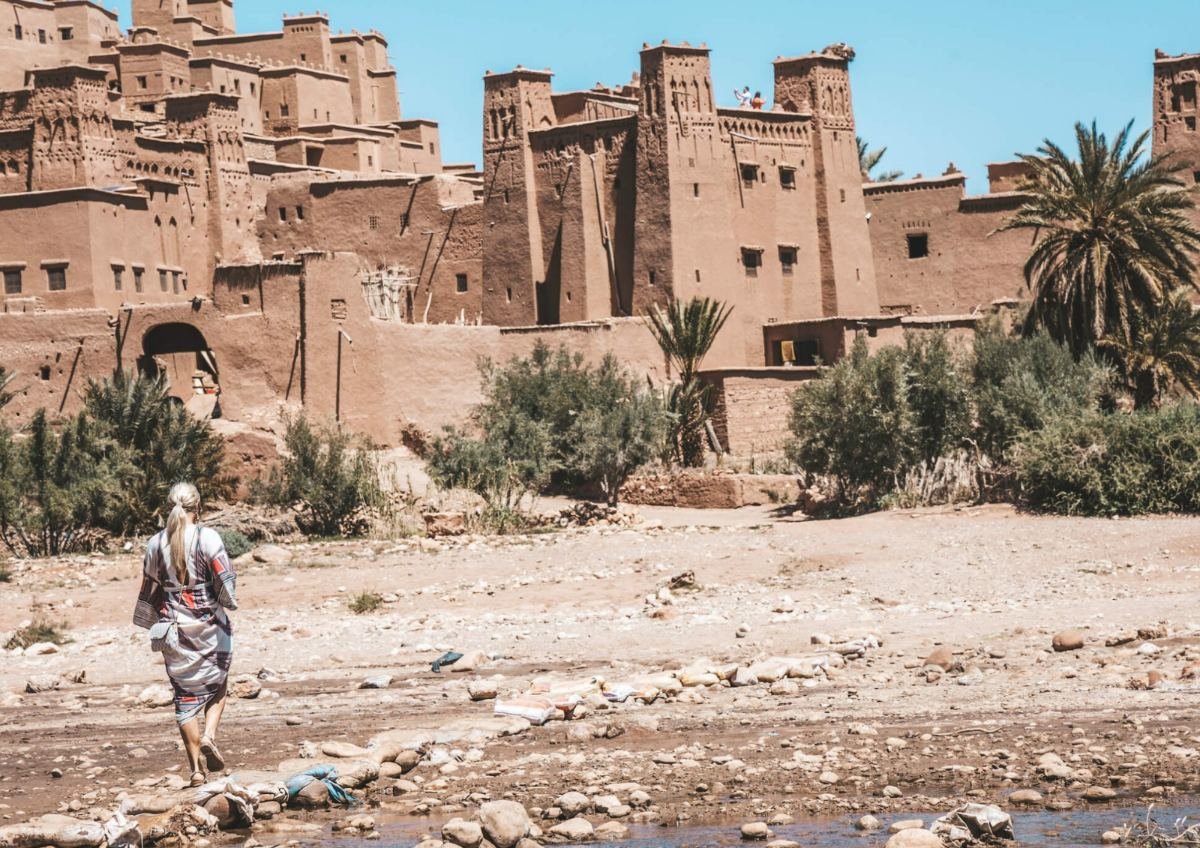
The Aït Benhaddou — UNESCO World Heritage area near Zagora offers remote desert far from the Merzouga crowds, reached by 4×4. Berber villages and hidden oases add authentic encounters.
What Lesser-Known Regions Are Worth Visiting?
The Middle Atlas cedar forests, the rose valley of Kelaat M’Gouna, and the Draa Valley’s palm groves. Our 4-Day Tour from Marrakech to Merzouga can weave in these detours.
How Do You Experience the Real Morocco?
Slow down, visit villages, share a meal, and travel with local guides who know the hidden corners near Morocco–United States relations — Wikipedia. Explore our Unique Private 4-Day Marrakech Desert Tour and the Best 3-Day Tour from Marrakech to Merzouga page.
Frequently Asked Questions
What are the best off-the-beaten-path places in Morocco?
The remote Erg Chigaga dunes, the Draa Valley oases, Middle Atlas cedar forests, the rose valley of Kelaat M’Gouna, and quiet mountain villages.
How do I avoid crowds in Morocco?
Visit remote areas like Erg Chigaga near Zagora, travel in shoulder season, explore villages, and use local guides who know lesser-known spots.
Is Erg Chigaga better than Merzouga?
Erg Chigaga is more remote and wild with fewer crowds, reached by 4×4. Merzouga is more accessible and popular. It depends on your appetite for adventure.
Can I experience authentic Berber culture in Morocco?
Yes. Visiting mountain and desert villages, sharing meals, and traveling with local guides offers genuine encounters with Berber (Amazigh) culture.
